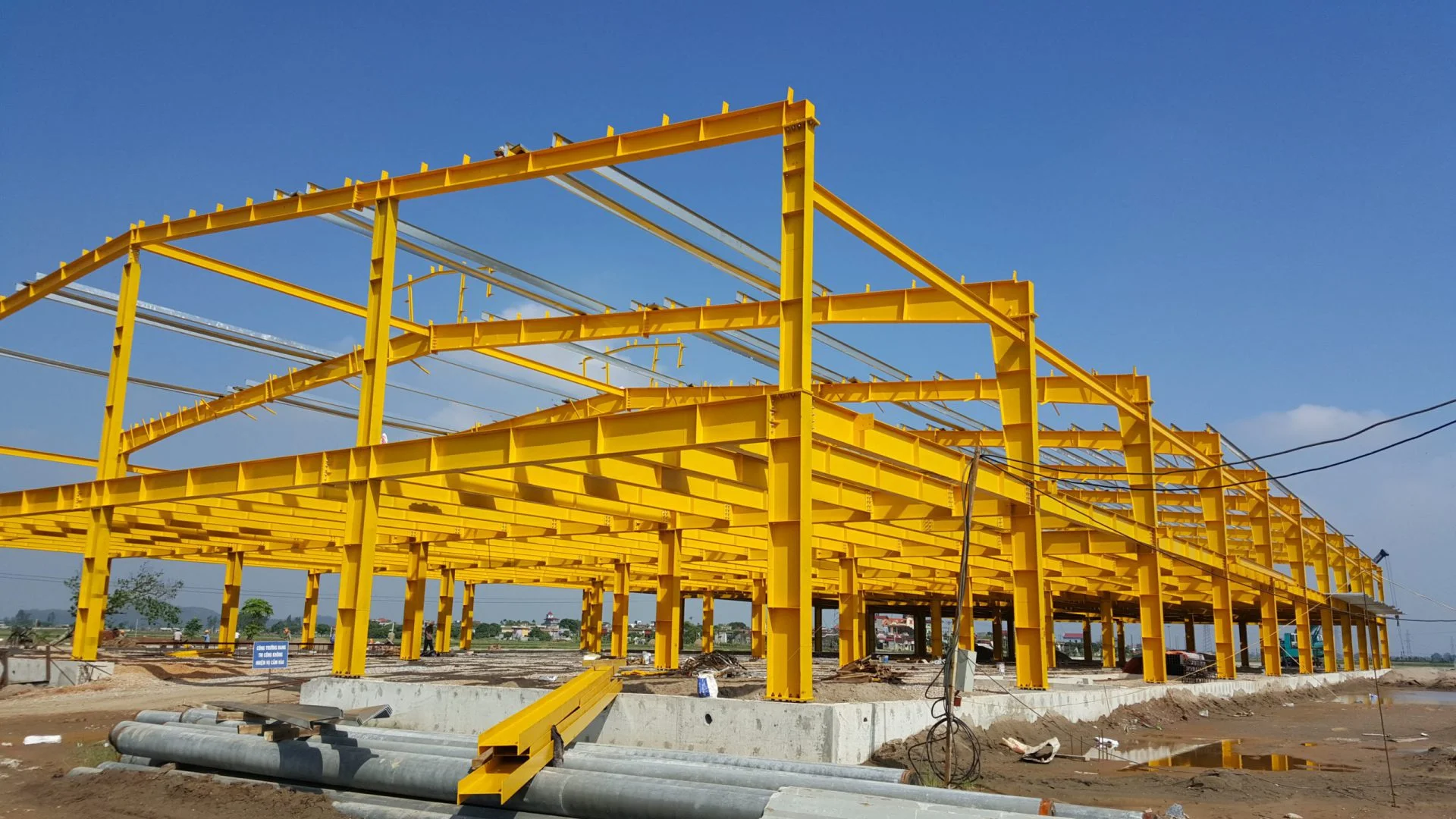


Anti-corrosion for steel structures is the protection of steel surfaces against moisture, salt, and chemicals right from the fabrication stage. For outdoor structures, this is the decisive factor for the lifespan of the entire frame system. Steel is inherently durable and has excellent load-bearing capacity. However, when exposed to the elements, it becomes the material most easily "attacked" by the environment.
Choosing the wrong paint or improper surface treatment can lead to rust returning after just a few rainy seasons. In that case, repair costs will be much higher than doing it right from the start. In this article, we will go through four core topics: the reasons for protecting steel, types of coatings, surface treatment processes, and periodic maintenance methods.
1. Why do steel structures need protection?
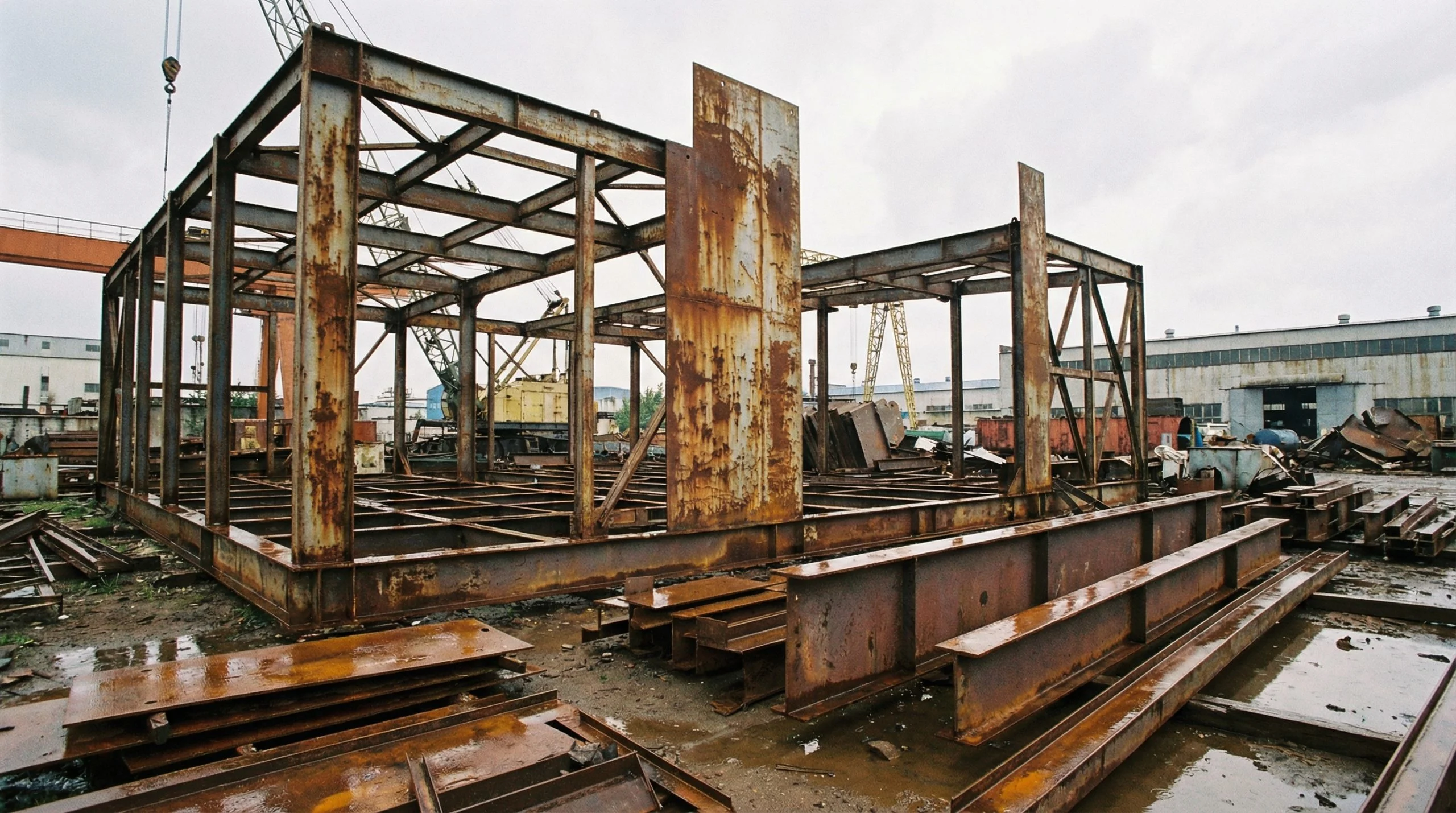
Rust is the inevitable result when steel is exposed to moisture and air for a long time. In coastal areas or heavy industrial zones, this process occurs much faster. The reason is that the air there contains high levels of salt, acids, and alkalis.
Initially, you only see thin, reddish-brown flakes that peel off easily on the steel surface. If not treated promptly, rust will eat deep into the interior, making the steel brittle and porous. Gradually, the load-bearing cross-section narrows, and the stiffness and durability of the component decrease accordingly.
The ultimate consequence is that the safety of the entire structure is threatened. Therefore, anti-corrosion for steel structures is not just a technical requirement. It is a vital condition for the structure to operate sustainably throughout the project's lifecycle.
2. Types of protective coatings: Powder coating and Intumescent paint
For outdoor steel structures, surface coating is the most common and effective protection solution. Depending on the requirements of each project, powder coating and intumescent paint are two options worth considering. Each addresses a specific challenge, so we need to clearly understand the mechanism of each type.
2.1. Powder Coating
Powder coating uses dry paint powder and operates on the principle of electrostatic attraction. A spray gun charges the powder, while the metal component is grounded. Thanks to this attraction, the powder particles adhere tightly and cover the surface very evenly. The component then passes through a high-temperature curing oven. The powder melts and forms a durable, cohesive film.
The powder-coated layer is hard, scratch-resistant, and effectively chemical-resistant. Furthermore, the paint color remains vibrant even when exposed to continuous sun and rain. However, this method depends on the size of the curing oven. Therefore, for large factory columns and trusses, engineers often use multi-layer epoxy paint systems. Hot-dip galvanizing is also a popular choice.
2.2. Intumescent Paint
Intumescent paint addresses a different risk. Steel itself does not burn, but it gradually loses its load-bearing capacity as temperatures rise. When exposed to high heat, this paint reacts and expands to many times its original thickness. The result is a porous carbon foam layer that acts as a thermal insulation blanket for the steel core.
Thanks to this foam layer, the structure maintains its load-bearing capacity for 60, 90, or 120 minutes, depending on the paint system. This is the “golden time” for evacuating people and controlling the fire.
| Criteria | Powder coating | Intumescent paint |
| Main purpose | Anti-rust, scratch resistance, color retention | Protecting steel during a fire |
| Mechanism | Powder adheres via electrostatic force, cured by heat | Expands into an insulating foam layer |
| Application timing | At the factory, before erection | Usually after erection, over the primer |
| Suitable for | Small components, railings, secondary framing | Columns, main beams according to fire safety requirements |
3. Standard steel surface treatment process
No matter how good the paint system is, the coating will peel if the steel surface is not clean. Therefore, surface treatment according to ISO 8501-1 is the foundational step. This step largely determines the lifespan of the protective paint film.
In modern steel structure fabrication, abrasive blasting is the most common method. The goal is to achieve Sa 2.5 (near-white metal) or Sa 3.0 (white metal) grade. Specifically, the process must ensure the following three requirements.
- Thorough cleaning: at Sa 2.5 grade, abrasive media removes rust, mill scale, old paint, and impurities. The surface after treatment only shows very slight traces of spots or streaks.
- Creating appropriate roughness: blasting creates a profile of about 50–100 micrometers. This roughness acts like countless “anchor points” that help the primer adhere firmly to the steel base. As a result, moisture and oxygen cannot easily penetrate beneath the paint layer.
- Priming as soon as possible: immediately after blasting, the surface must be blown clean of dust with compressed air. The next step is to apply the primer as soon as possible to prevent flash rust due to humidity.
It can be seen that the surface preparation stage, while quiet, is the foundation of every steel structure anti-corrosion solution.
4. Notes on periodic maintenance of steel structures
Periodic maintenance is not just about fixing what is broken. It is a way to manage construction quality to optimize costs in the long term. This process should follow standards such as ISO 13822:2010 for the assessment of existing structures and TCVN 12249:2018. Among these, the following four tasks should be prioritized.
- Status survey: check the level of corrosion, degradation, and peeling of the paint layer. Pay special attention to welds and bolted connections, as these are the places where water is most likely to accumulate.
- Deformation assessment: measure the axial deviation, deflection, and twisting of columns, beams, and bracing. For factories in continuous operation, crane loads, machine vibrations, and lateral wind can cause the frame to deform over time.
- Roof drainage cleaning: clean gutters and metal roofs so that debris and leaves do not cause stagnation. This prevents rainwater from overflowing inside or soaking the structure and causing rust.
- Timely repair: when seeing small rust spots or slightly cracked welds, touch up the paint and reinforce immediately. Early intervention is much cheaper than replacing components or reinforcing the entire frame.
In summary, precise surface treatment, choosing the right paint system, and regular maintenance are an inseparable trio of solutions. When all three are done well, outdoor steel structures will remain sturdy, safe, and durable for decades.
HAI LONG STEEL STRUCTURE IS A REPUTABLE MANUFACTURER OF STEEL STRUCTURE BUILDINGS
Choosing the right steel structure fabrication partner is the deciding factor for the success of every project. The market is increasingly demanding regarding quality, schedule, and safety. In that context, many domestic and foreign investors have trusted Hai Long Construction due to the following capabilities:
- Experience and team: over 27 years of operation since 1999. The design center has more than 30 engineers, holding Grade I design and appraisal certificates.
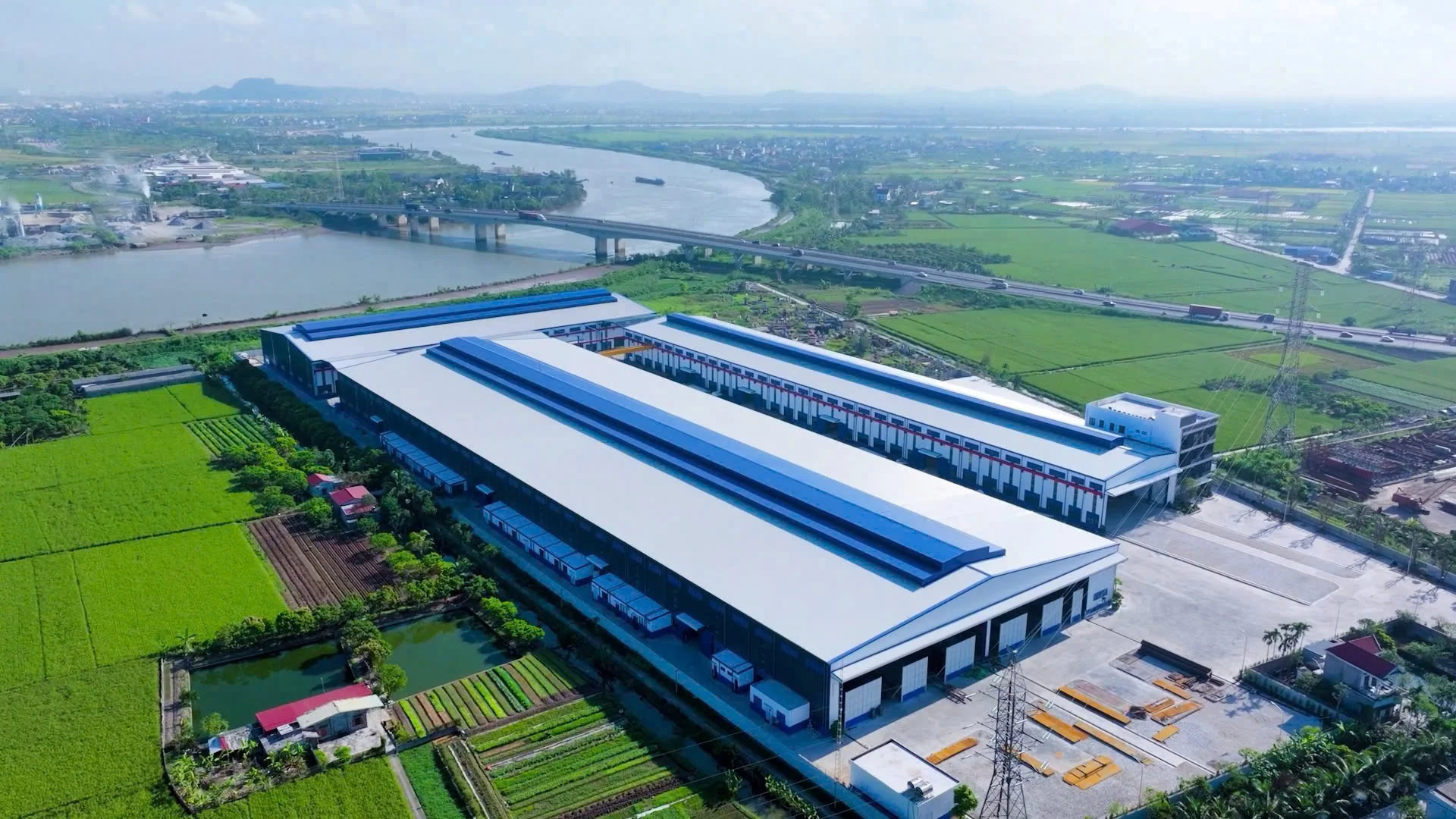
- Modern factory: steel structure factory in Hai Phong with a capacity of 35,000 tons/year. The production line is equipped with welding robots, shot blasting, and automatic paint curing, helping to control surface quality right at the workshop.
- Quality management: system certified to ISO 9001, ISO 14001, and ISO 45001 standards.
- Typical projects: supplied steel structure for LG Innotek (14,500 tons), LG Display H3 (9,300 tons), Samsung, and Amkor Bac Ninh.
- One-stop shop: capacity as a general contractor for factory building construction using the Design & Build model, from design and manufacturing to erection.
Learn more about factory steel structure or contact Hai Long Construction immediately for free consultation and quotation:
- HAI LONG CONSTRUCTION JSC
- Address: Taiyo Building, 97 Bach Dang, Hong Bang Ward, Hai Phong City, Vietnam.
- Hotline: 084 6625 888
- Email: info@hailongjsc.vn