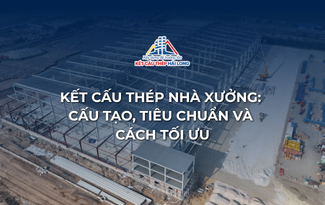


Steel structures are increasingly becoming the top choice in modern construction projects due to their durability, superior load-bearing capacity, and design flexibility. However, to ensure the quality and longevity of the project, adhering to an international-standard steel structure manufacturing process is a key factor that any business or investor needs to consider. So, what are the steps in manufacturing steel structures according to international standards? Which standards are currently widely applied? Let's explore the details in the article below to better understand the process, benefits, and importance of manufacturing steel structures to international standards.
I. General introduction to steel structures
A steel structure is a load-bearing structure of construction projects designed and composed of steel. This is a type of structure widely used in the construction industry, especially in large-scale projects (pre-engineered steel buildings) due to the useful properties of steel. Thanks to the high load-bearing strength of steel, this structure is very sturdy and requires fewer materials than other types of structures such as concrete or wood structures.
In modern construction, steel frame structures are commonly used for types of construction works such as: industrial factory buildings, offices, fences, bridges, conveyors, etc.
Adhering to an international-standard manufacturing process is essential to ensure product quality, consumer safety, enhance product durability, and build a solid reputation for the business in the market.

II. International Standards
1/ US Standards: AISC (design, fabrication, erection), AWS (welding), ASTM (materials)
- AISC (American Institute of Steel Construction): Regulations on the design, fabrication, and erection of steel structures.
- AWS (American Welding Society): Standards for welding in steel structure manufacturing, ensuring durability and safety.
- ASTM (American Society for Testing and Materials): Provides standards for steel materials, helping to control quality from input materials.
2/ European Standards: EN 1090-1, EN 1090-2 (manufacturing process, load-bearing inspection), ISO 3834 (welding quality control)
- EN 1090-1 & EN 1090-2: Standards for evaluating load-bearing capacity and the manufacturing process of steel structures in Europe.
- ISO 3834: Standard for welding quality control, helping to ensure the durability of steel structures in harsh working environments.
3/ Vietnamese Standards: TCVN 170:2007 (acceptance, quality inspection)
- Before leaving the factory, the entire structure must be supervised by the manufacturer's technical specialists.
- During the acceptance process, the parameters of the assembly parts must comply with the regulations of this standard, as well as relevant standards or technical guidelines for each specific part and design document.
- For mass-produced structures, the quantity, method, and inspection schedule (including sampling) must be established based on the standards or technical guidelines corresponding to each type of structure.
- For single or limited-quantity production structures, the inspection measures and plans (including sampling) must be detailed in the design documents.
- Based on the quality requirements of the assembly parts and the specified operating condition parameters, the inspection of input materials, the fabrication process, and product acceptance must be conducted according to the list of criteria and measurements summarized in Table 1 below.
- The results of input material inspection, fabrication process, and product acceptance must be stored in the technical inspection logbook, test reports, or other relevant records. The inspection result parameters must be fully recorded in these documents and must strictly comply with the technical requirements of the design documents for the structure.
III. International-standard steel structure manufacturing process
1. Design & Planning
Start by analyzing project requirements, drafting and designing detailed drawings using specialized software such as CAD. These drawings must reflect every aspect of the structure. Furthermore, these designs must consider load-bearing requirements, material properties, and intended use. For industrial projects, precision is a key factor, especially when integrating measurement and control equipment.

Choosing the right type of steel is a crucial factor for the successful construction of your project. Different steel grades, such as carbon steel, stainless steel, or alloy steel, must be carefully selected based on the specific requirements of the project.
Afterward, it is necessary to prepare the types of steel, gusset plates, bolts, as well as welding materials and necessary tools.
2. Material Preparation
Inspect and evaluate the quality of input materials according to standards:
- ASTM (American Society for Testing and Materials): Provides standards for steel materials, helping to control quality from input materials.
- EN 1090-1 & EN 1090-2: Standards for evaluating load-bearing capacity and the manufacturing process of steel structures in Europe.
- TCVN 170:2007: Vietnam Construction Standard for Steel Structure – Technical Requirements.

Furthermore, strict compliance with regulations regarding the storage and preservation of steel materials is a crucial step to ensure that materials maintain the highest quality, preventing degradation from external environmental factors such as humidity, temperature, or other corrosive agents, which could otherwise affect the quality of the finished steel structure.

3. Processing and Fabrication
Steel Cutting: Based on the design drawings, steel plates are cut into individual workpieces in preparation for the welding process.
Drilling, Bending, and Forming: After being cut to size and shape, the steel plates are drilled at the gusset plates and necessary locations for bolt installation, and steel bars are bent into shapes according to design requirements, ensuring precise dimensions.
Temporary Assembly: Temporary assembly of components is performed to ensure fit, preceded by straightening and edge-rounding of the steel components.
Welding: Welding is performed according to AWS and ISO 3834 standards, with weld inspection conducted using non-destructive testing (UT, MT). Weld seams must be executed with proper technique and high quality, and surface inspection can be performed visually.
Correction and Finishing: High temperatures during welding can cause warping and deformation in structural members. Therefore, they must be adjusted, straightened, and thoroughly inspected to ensure quality before proceeding to the next steps.
4. Surface Treatment & Protective Coating
Surface cleaning is required for components after fabrication to ensure better paint adhesion. The paint used here refers to anti-corrosion paint and finish coats in accordance with international standards for corrosion protection, typically a three-layer system (one primer coat and two topcoats) to increase the durability of the steel structure.
5. Quality Inspection and Acceptance
The contractor organizes the internal acceptance process and then creates an acceptance request form to send to the investor. The investor conducts the acceptance based on the request form from the contractor. The tasks to be performed during the acceptance process include:
- Reviewing the documents provided by the contractor to support the work acceptance process.
- Inspecting the object of acceptance at the site or at the manufacturing factory.
- Evaluating the conformity of details, parts, or structures against the design, construction standards, and technical guidance documents.
- Upon completion of acceptance, the next phase of work is permitted.
The acceptance work must be recorded in an acceptance report. Those directly involved in the acceptance process must sign and clearly state their personal information in the acceptance report.
II. Benefits of Adhering to International Standard Steel Structure Production Processes
Adhering to the steel structure production process is a key factor determining the success of a construction project. Precise manufacturing and fabrication directly impact the quality, performance, and safety of the structure, as steel structures are considered the "backbone" of large-scale projects such as factory buildings, pre-engineered steel buildings, high-rise buildings, and transportation bridge systems.
WHY CHOOSE HAI LONG CONSTRUCTION AS YOUR STEEL STRUCTURE MANUFACTURING & ERECTION PARTNER
With over 25 years of experience in the field of manufacturing & erecting steel structures, Hai Long Construction is proud to be a leading reputable contractor, providing customers with comprehensive construction solutions that meet all needs and requirements.
- A team of experienced engineers, architects, and experts, knowledgeable in the design and construction of factory buildings and warehouses according to international standards.
- Diverse construction capabilities, meeting all project scales and requirements, from simple to complex factory buildings.
- Equipped with modern machinery and equipment, three steel structure factories with a capacity of nearly 50,000 tons/year ensure fast, accurate, and safe construction.
- Professional construction process, strictly managed.
Are you looking for a reputable and professional steel structure manufacturing and erection contractor? Contact Hai Long Construction for free consultation and quotation:
- HAI LONG CONSTRUCTION JSC – MEMBER OF TAIYO GROUP
- Address: Taiyo Building, 97 Bach Dang, Thuong Ly Ward, Hong Bang District, Hai Phong City, Vietnam.
- Hotline: 084 6625 888
- Email: info@hailongjsc.vn