

Factory metal roofing should be chosen based on four criteria simultaneously: the thickness and coating of the sheet, the type of purlin, the roof slope, and heat insulation capability. Ignoring one of the four, the factory is prone to three common issues: leaking, overheating, and the need for reinforcement when wanting to install additional solar power.
The roof is the part of a factory building most directly exposed to sun, wind, and rain, yet it is often the last item decided upon, once the steel frame is already fixed. In reality, the roof and the frame are a single system: the roof load determines the purlin spacing, the purlins determine the frame spacing, and every subsequent load—from ventilation equipment to solar panels—passes through that system. Choosing correctly at the design stage is far cheaper than fixing it once the factory is in operation.
What are the components of a factory roofing system?
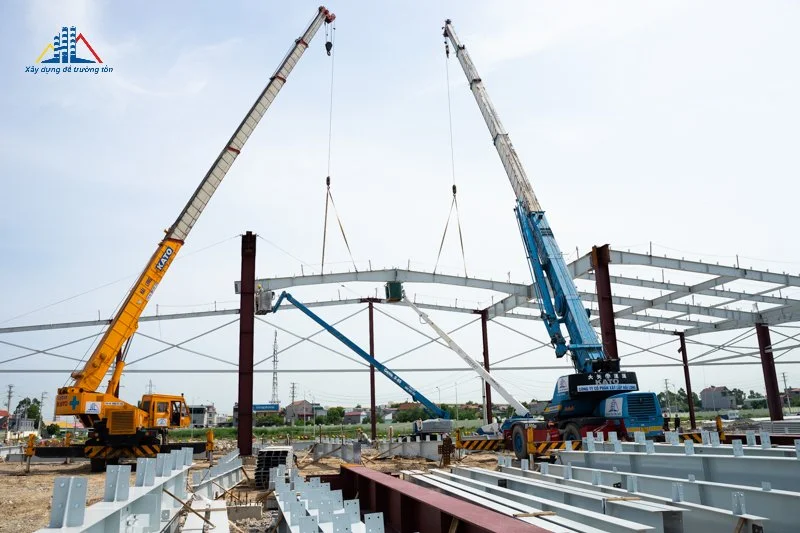
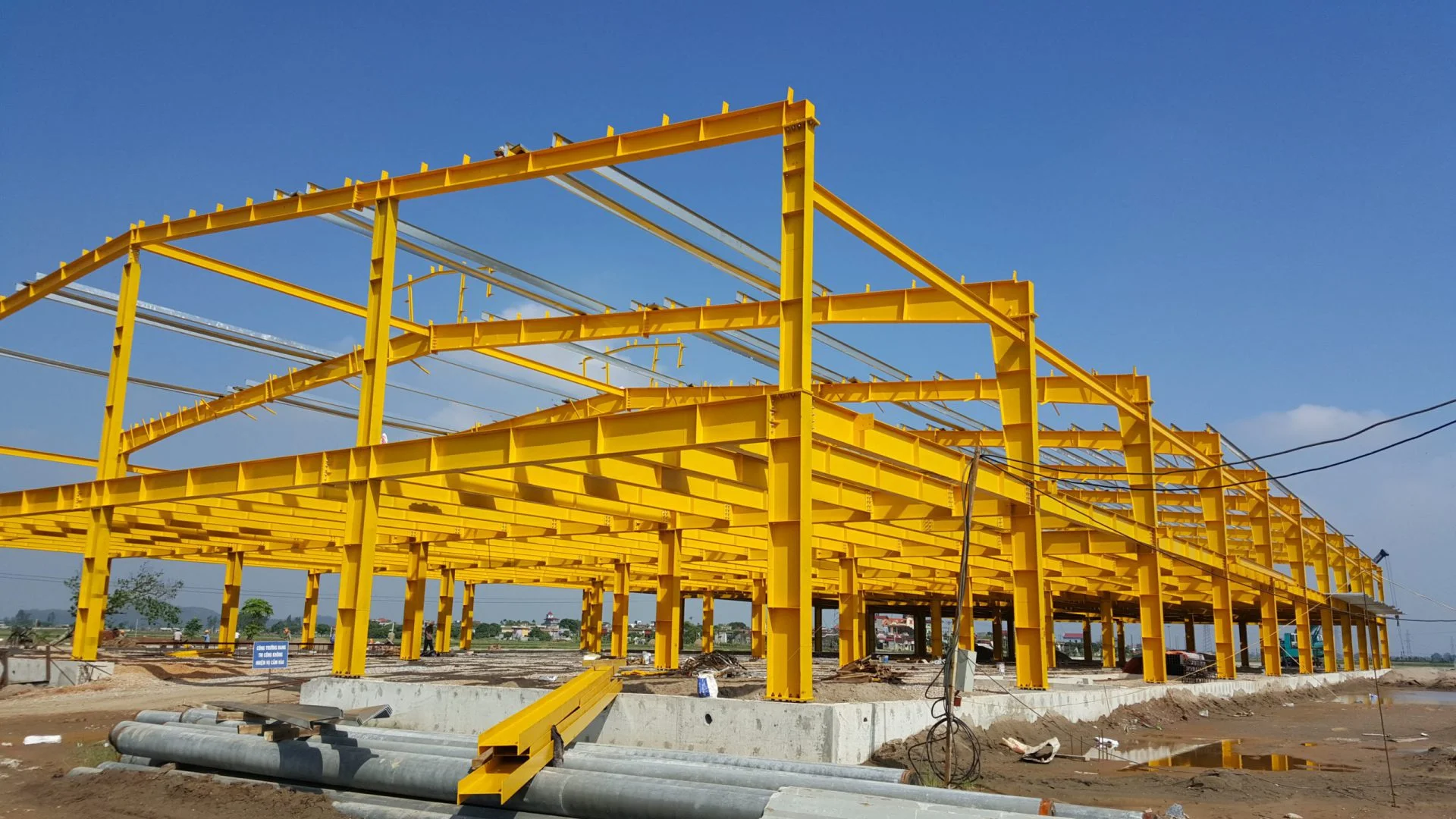
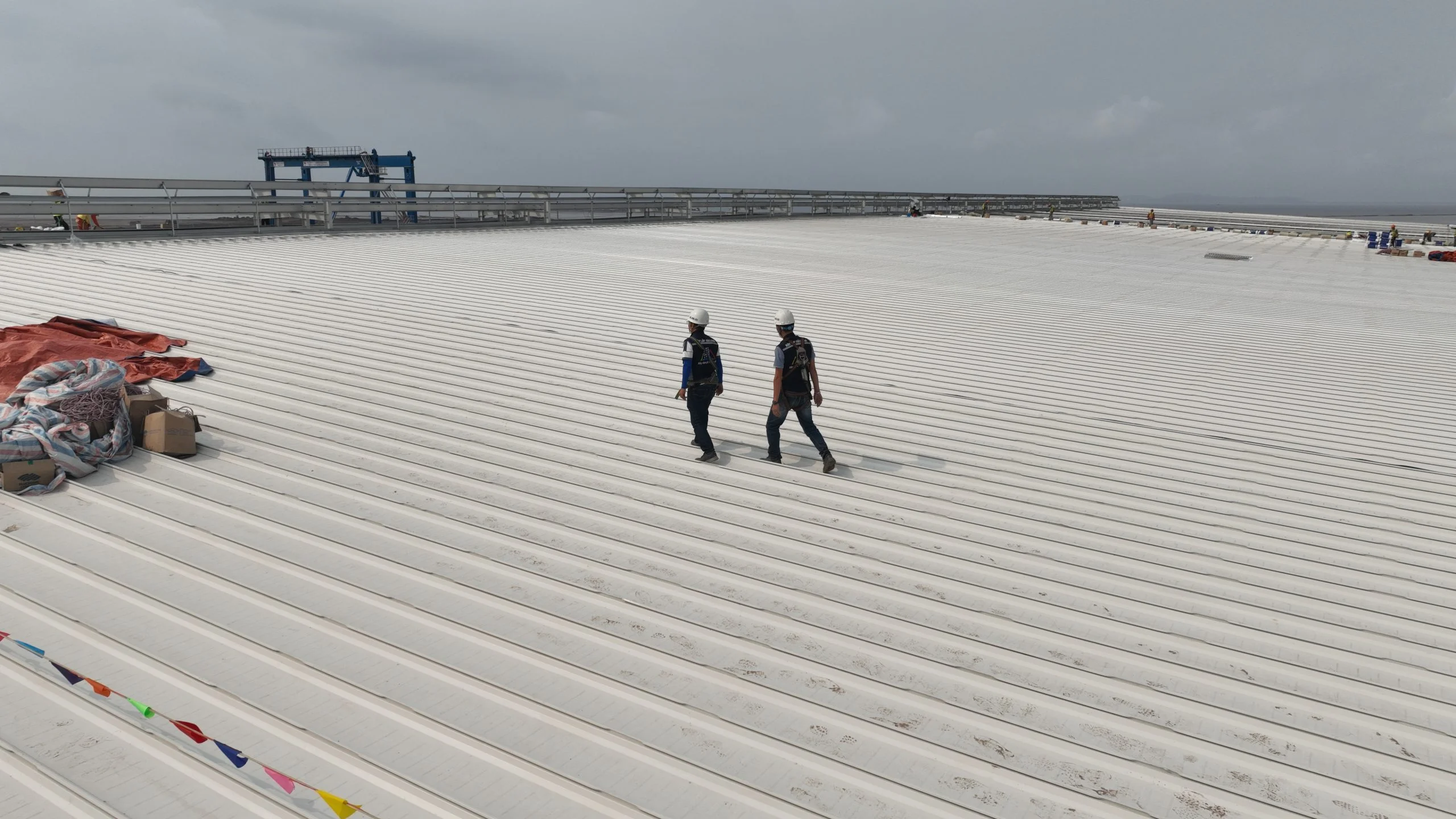
A steel structure factory roofing system consists of four layers working together: steel rafters (main frame), purlins supporting the metal sheets, metal roofing sheets with insulation, and drainage accessories such as gutters, downspouts, and flashing. Additionally, there is roof bracing to maintain frame stability along the length of the building.
Each layer transfers loads to the layer below: the metal sheet receives wind, rain, and construction loads and transfers them to the purlins; the purlins transfer them to the rafters; the rafters transfer them to the columns and foundations. Therefore, when changing a layer—such as switching to thicker metal sheets or adding solar panels—the entire chain below must be re-checked.
How thick should the metal roofing for a factory be?
Factory metal roofing typically uses base steel with a common thickness range, for example, 0.40–0.50 mm (for reference), depending on purlin spacing, wind zone, and durability requirements. Besides thickness, the coating layer is the factor that determines how long the metal sheet will last.
Two common types for factories are galvanized steel and aluminum-zinc alloy coated steel. Aluminum-zinc coated steel is usually preferred for roofs due to its better corrosion resistance, especially in industrial parks near the coast like Hai Phong, where the air contains salt. When comparing quotes, investors should request three specific parameters: base steel thickness (not the thickness including the paint layer), coating mass, and the type of paint coating.
| Parameters to include in the quote | Why it is important |
|---|---|
| Base Metal Thickness (BMT) | Determines load-bearing capacity and impact resistance; the total coated thickness (TCT) is always greater |
| Type and mass of coating layer | Determines corrosion resistance and roof lifespan |
| Paint coating system | Affects color durability and heat reflectivity |
| Profile type / connection type | Screw-fastened metal sheets or seam-locked sheets (no screw holes) directly affect the risk of leaks |
How do C-purlins and Z-purlins differ?
C-purlins and Z-purlins are both cold-formed steel used to support roof sheets, differing mainly in their connection method. C-purlins are typically used for single spans or short frame spacing; Z-purlins can be overlapped at the rafter position to form a continuous system, making them generally more steel-efficient for factories with large frame spacing.
For new factories, the choice between C and Z should be decided by the structural engineer at the same time as the frame spacing, as these two factors are interdependent. Purlins also need to be coated to prevent rust, especially in humid or coastal environments.
What roof slope is needed for a factory to prevent leaks?
The roof slope of a factory depends on the type of metal sheet: screw-fastened corrugated sheets require a steeper slope for water to drain quickly through the screw holes, while seam-locked sheets (no screw holes) allow for a lower slope.
Most leak incidents do not occur in the metal sheets themselves but at the joints: longitudinal sheet connections, around ventilation openings, skylights, gutters, and locations drilled later. A simple but effective rule is to minimize drilling into the roof after installation—which is even more important if you plan to install solar power.
How to make a factory roof less hot?
There are three ways to reduce heat for a factory roof, often used in combination: using metal sheets with insulation (PU, PE, or glass wool), choosing light-colored paint coatings with high heat reflectivity, and arranging roof ventilation to push hot air out. Each method has different costs and effectiveness, so the choice should depend on the factory's function: a general warehouse is different from a workshop with continuous workers or an electronics factory requiring temperature control.
What needs to be prepared from the design stage for rooftop solar installation?
If there is a plan to install solar power, the factory needs to account for the weight of the solar panels and mounting frames right from the design of the rafters and purlins, while choosing a type of metal sheet that allows for installation without drilling many holes in the roof. This is the most easily overlooked aspect, and the most expensive to fix if reinforcement is needed later.
Rooftop solar is becoming a popular choice for FDI factories, as many corporations must meet the clean energy requirements of their supply chains; Samsung recently inaugurated a nearly 28 MWp rooftop solar project in Ho Chi Minh City. And to provide maintenance walkways on the roof. Existing factories wanting to add solar panels need to survey and re-check the load-bearing capacity of the roof system first. For the impact of these choices on the budget, investors can see more in the article on factory construction costs.
Frequently Asked Questions
How do C-purlins and Z-purlins differ?
C and Z purlins are both cold-formed steel used to support roof sheets. C-purlins are typically used for single spans or short frame spacing. Z-purlins can be overlapped at the rafter position to create a continuous system, making them generally more steel-efficient for factories with large frame spacing. The choice should be decided by the structural engineer along with the frame spacing.
What needs to be prepared from the design stage for rooftop solar installation?
Factories planning to install solar power need to add the weight of the panels and mounting frames to the purlin and rafter calculations right from the design stage, prioritize seam-locked metal sheets for installation using specialized clamps instead of drilling screws, and arrange maintenance walkways on the roof. For existing factories, it is necessary to survey and re-check the load-bearing capacity of the roof system before installation.
Does Hai Long manufacture metal sheets and purlins?
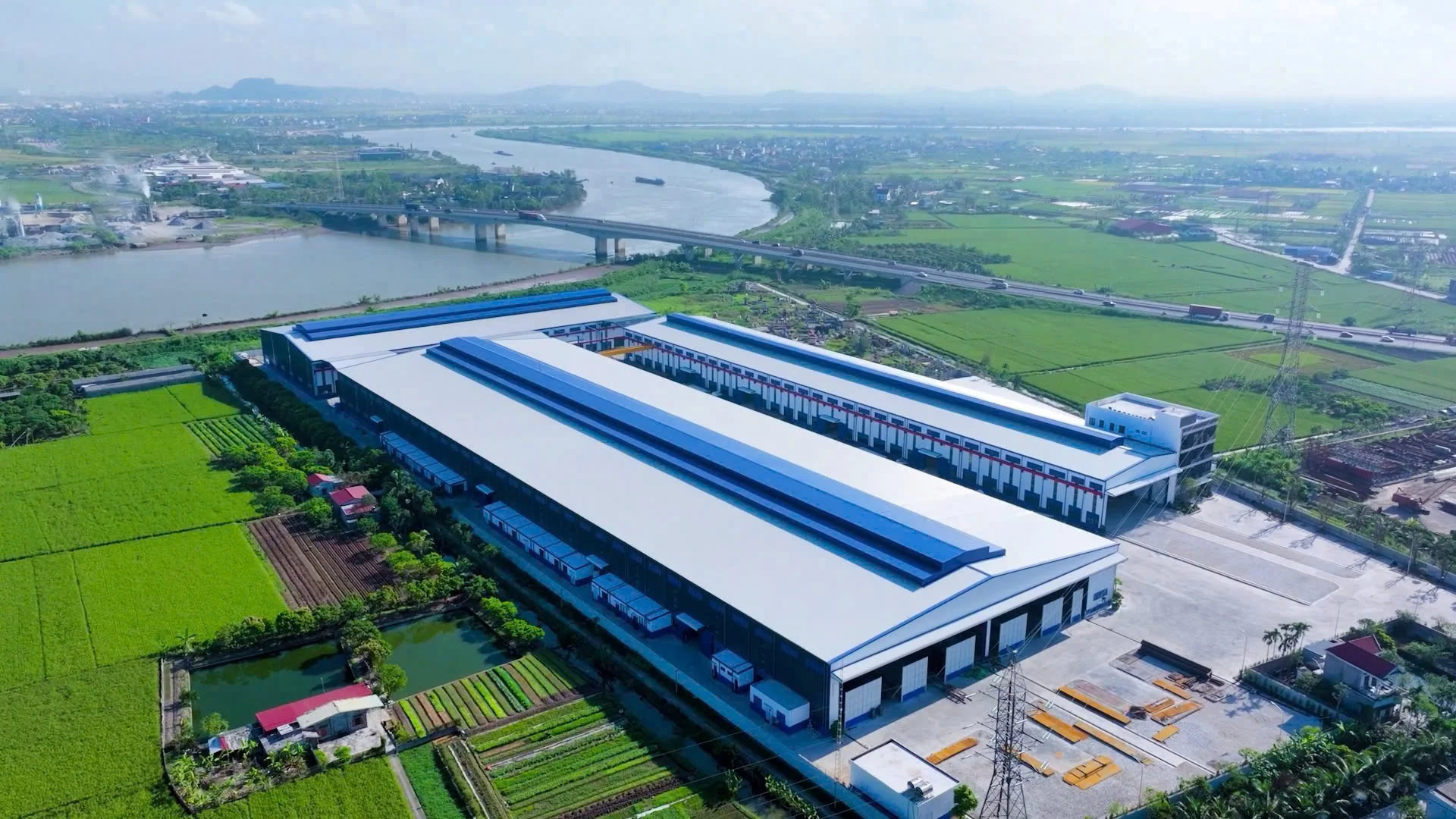
Hai Long Construction started with a metal sheet and purlin rolling factory in 1999; currently, the Hai Long Steel Structure Factory in Quyet Thang Commune, Hai Phong, produces integrated steel structures, purlins, and metal sheets, operating under ISO 9001, ISO 14001, and ISO 45001.
Customers can send drawings to receive a quote for metal sheets and purlins via (+84) 846 625 888 or info@hailongjsc.vn.
Get a quote for metal sheets – purlins based on drawings
Send your roof drawings or area and factory location for Hai Long engineers to advise on a suitable roofing system and provide a quote for metal sheets and purlins.
- Hotline: (+84) 846 625 888
- Email: info@hailongjsc.vn