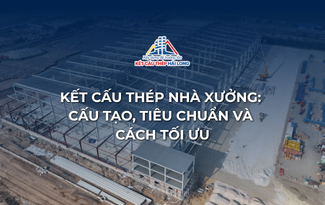


The Nghi Son Refinery Complex project (Thanh Hoa) is one of the key national oil and gas projects, holding strategic significance in ensuring energy security for the country. Unlike conventional factory buildings, an oil refinery is an extremely complex complex with thousands of tons of equipment, intricate piping systems, and the highest safety requirements.
 Image collected
1. Challenges: Loads, Complexity, and Harsh Environment
Building an oil refinery poses extremely difficult technical problems:
- Extreme loads: The plant includes massive equipment such as distillation towers, reactors... along with hundreds of kilometers of process piping. A single installation package alone has a steel structure volume of over 5,000 tons and nearly 7,000 tons of equipment.
- Diverse and complex structures: Not just factory frames, the steel structures here also include multi-level piperack systems, equipment support structures, storage tanks, working platforms... requiring absolute precision in fabrication and erection.
- Highly corrosive environment: The coastal location combined with the chemical environment of the plant requires structures to have superior corrosion resistance to ensure longevity and safety.
- Strict safety standards: The oil and gas industry has some of the world's most stringent safety and quality standards, from input materials to the quality of welds and connections.
2. Solutions: Intensive Application of Steel Structures
To address the above challenges, contractors have applied specialized and advanced steel structure solutions.
a. Piperack System – The “Arteries” of the Plant
One of the most important steel structure items in an oil refinery is the piperack system.
- Role: These are multi-level steel frame systems running throughout the plant, acting as “highways” to support the entire process piping system, electrical cable lines, and control trays. They ensure that pipes are routed correctly, safely, and conveniently for maintenance.
- Structure: In essence, a piperack is a specialized application of steel columns and steel beams, designed to withstand extreme loads from pipes filled with products.
b. Steel Structures Supporting Equipment and Tanks
Heavy technological equipment cannot be placed directly on concrete foundations.
- Solution: Engineers designed and fabricated separate, sturdy steel frame systems to support this equipment. At the same time, giant product storage tanks were also fabricated from thick steel plates, connected by high-quality welds, ensuring absolute tightness.
c. Combination of Welding and High-Strength Bolt Connections
The complexity of the project requires a flexible combination of connection types.
- Factory welding connections: Complex structural assemblies (modules) are fabricated and fully welded at factories, where there are the best conditions for quality control. The use of automatic and semi-automatic welding ensures that load-bearing welds meet international standards.
- On-site bolt connections: Large modules are then transported to the site and assembled together using high-strength bolts. This method helps accelerate the erection progress, ensuring precision and safety for workers working at heights.
3. Results: Ensuring National Energy Security
The successful application of advanced steel structure solutions has contributed significantly to the success of the Nghi Son Refinery mega-project.
- Completion of complex works: Tens of thousands of tons of steel structures and equipment have been installed safely and accurately, creating one of the most modern oil refineries in the region.
- Ensuring durability and safety: Steel structures are designed and constructed according to international standards, capable of withstanding harsh environments, ensuring the plant operates stably and safely for decades.
- Contributing to energy security: Along with the Dung Quat oil refinery, the Nghi Son Refinery project helps meet the majority of domestic petrochemical product demand, contributing greatly to Vietnam's socio-economic development.