

What is an industrial building?
1. Definition:
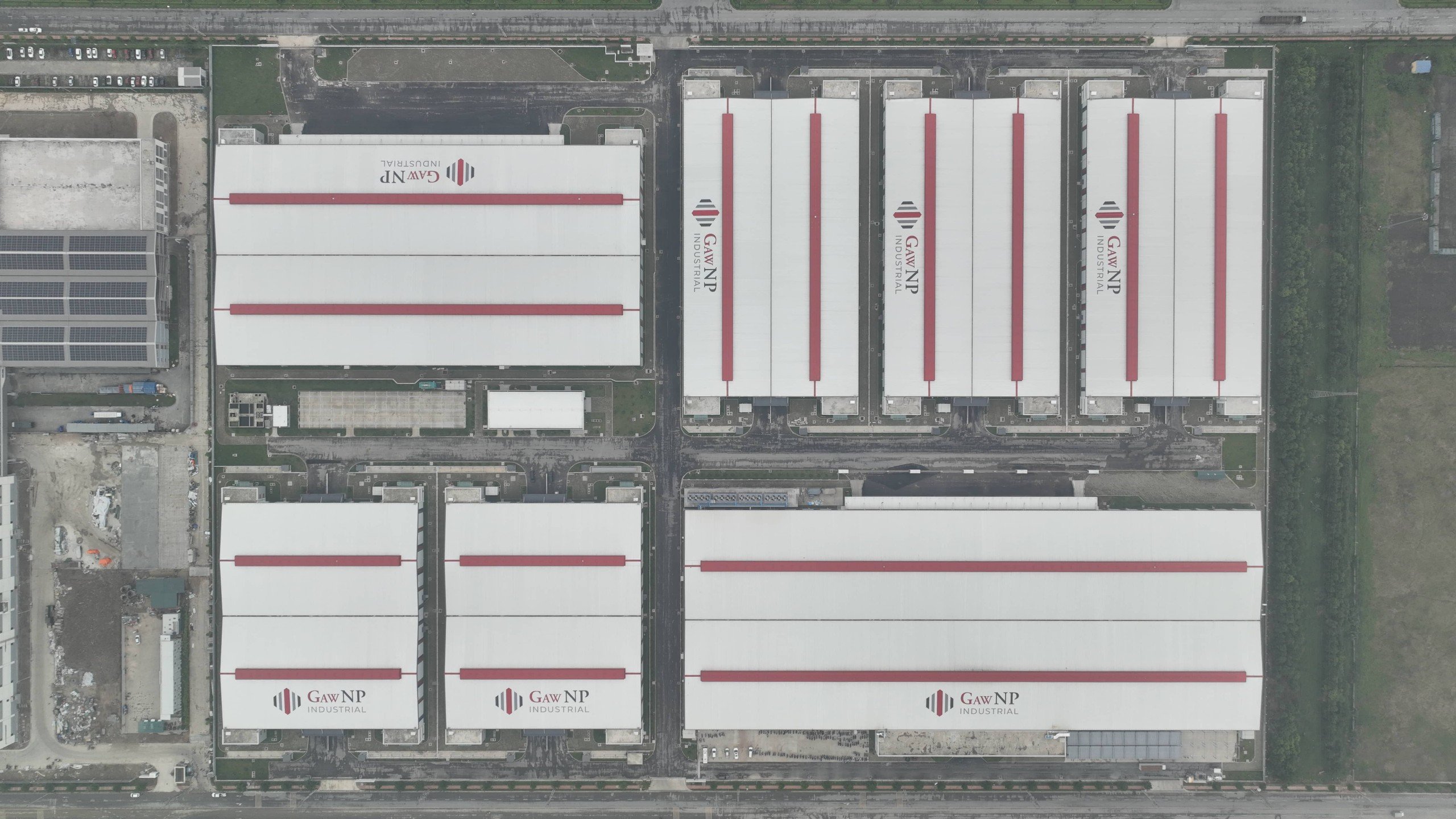
- An industrial building is a solid construction, designed and equipped with modern machinery and equipment to serve production, manufacturing, and product assembly activities.
- This is where synchronized, large-scale production processes take place to meet market demand.
- Industrial buildings play an important role in the economy, contributing to promoting production and creating essential products and services for human life.
2. Characteristics:
- Scale: Large area, capable of housing multiple production lines simultaneously.
- Structure: Solid, sturdy, capable of withstanding heavy loads from machinery, equipment, and raw materials.
- Equipment: Modern, advanced, highly automated, ensuring production efficiency and occupational safety.
- Environment: Safe, hygienic, strictly controlled regarding temperature, humidity, noise, dust, emissions, etc.
- Location: Usually located in industrial parks, convenient for transportation, access to raw material sources, and consumer markets.
3. Role:
- Production center: Where production, manufacturing, and product assembly activities take place.
- Economic development driver: Contributes to promoting economic growth, creating jobs and income for workers.
- Providing products and services: Meeting market consumption needs, improving human life.
- Attracting investment: Creating a favorable environment for businesses to invest and develop production.
- Environmental protection: Applying environmental protection measures, minimizing pollution.
4. Examples of industrial building types:
- Mechanical manufacturing factory
- Electronics factory
- Garment factory
- Food processing factory
- Chemical manufacturing plant
What should be noted when erecting industrial buildings?
1. Site analysis:
- Geological conditions: Ensure the ground has the load-bearing capacity for the structure, avoiding subsidence or tilting.
- Surrounding environment: Identify influencing factors such as noise, dust, and emissions, ensuring compliance with environmental protection regulations.
- Transportation: Convenient for the transport of materials, equipment, and finished products.
- Legal: Obtain construction permits and comply with relevant regulations.
2. Selection of construction materials:
- Durability: Capable of withstanding heavy loads, harsh weather conditions, and production environments.
- Fire resistance: Ensure safety for people and property in the event of a fire.
- Waterproofing: Prevent the ingress of rainwater and chemicals, protecting the building structure.
- Eco-friendliness: Prioritize recycled materials that cause minimal pollution.
3. Safe construction process:
- Staff training: Enhance occupational safety knowledge and skills for workers.
- Protective equipment: Provide adequate personal protective equipment such as helmets, goggles, gloves, boots, etc.
- Construction supervision: Ensure compliance with safety procedures and prevent occupational accidents.
- Use of modern machinery: Automate hazardous tasks to minimize risks to workers.
4. Meeting standards:
- Technical standards: Dimensions, structure, load, electrical and water systems, etc.
- Safety standards: Fire prevention and fighting, lightning protection, emergency exit systems, etc.
- Environmental standards: Minimize noise, dust, emissions, etc.
5. Additional notes:
- Smart design: Optimize usable area, save energy, and create a comfortable working environment.
- Electrical and water systems: Ensure safety and meet the factory's operational needs.
- Waste treatment system: Comply with environmental protection regulations.
- Periodic maintenance: Ensure safety and extend the lifespan of the structure.
Erecting industrial buildings is a complex process that requires strict adherence to safety, technical, and environmental regulations. Following the above notes will help ensure the quality, safety, and operational efficiency of the factory.

Classification of industrial buildings
The robust development of the industrial sector has led to an increasing demand for factory buildings for production and goods storage. To meet diverse needs, industrial buildings are classified according to various specific criteria, helping to optimize usage efficiency and suit individual purposes. Below is a detailed and comprehensive classification system for industrial buildings:
1. Classification by shape:
- Rectangular factory: The most common type, effectively meeting diverse production and storage needs with flexible floor space.
- Circular warehouse: Suitable for storing silo-type products and storage tanks, saving space and optimizing layout.
- Modular building: Easy to construct, dismantle, and relocate, suitable for temporary needs or frequent changes.
- Farm: Specifically designed for livestock and cultivation activities, ensuring appropriate environmental conditions for animals and crops.
- Closed workshop: An isolated structure ensuring safety and security for specialized production activities, often used in the defense and chemical industries, etc.
2. Classification by scale:
- Small factory building: Area under 1,000m², typically used for small and medium-sized enterprises with limited production scale.
- Medium factory building: Area from 1,000m² to 5,000m², suitable for enterprises with larger production needs and product diversification.
- Large factory building: Area over 5,000m², intended for large corporations and enterprises with modern, highly automated production lines.
3. Classification by purpose of use:
- Production factory: A place where manufacturing, assembly, and product processing activities take place, usually equipped with specialized machinery and equipment systems.
- Warehouse: Used for storing raw materials, finished products, and goods, ensuring appropriate storage conditions.
- Distribution center: A place for consolidating, sorting, and transporting goods to retail and consumption points.
- Packaging workshop: Specializes in producing packaging and containers for products, commonly applied in the food, beverage, pharmaceutical industries, etc.
4. Classification by resources:
- Steel building: Uses a steel frame combined with corrugated iron roofs or panels, offering high durability, good resistance, and ease of construction.
- Concrete building: Built from reinforced concrete, with advantages in sturdiness and good fire resistance, but with higher construction costs compared to steel buildings.
- Wooden building: Often used for special purposes such as handicraft production workshops, farms, etc., due to its aesthetics and environmental friendliness.
- Prefabricated building: Uses pre-manufactured prefab components, which can combine various materials such as steel, wood, panels, etc.
5. Classification by production industry:
- Heavy industry: Factory buildings with sturdy structures, capable of bearing heavy loads, serving the production of products such as machinery, equipment, vehicles, etc.
- Electronics manufacturing industry: Factory buildings need to ensure a clean environment, anti-static properties, and stable humidity and temperature to meet the requirements for manufacturing precision electronic components.
- Shipbuilding industry: Factory buildings with spacious areas and high load-bearing capacity to serve the construction and repair of ships.
- Food and beverage production industry: Factory buildings need to ensure food hygiene and safety, have good ventilation systems, and meet product quality standards.
In addition, industrial buildings can also be classified according to several other criteria such as:
- Number of floors: 1-story, 2-story, or multi-story factory buildings.
- Location: Factory buildings in an industrial park, independent factory buildings.
- Production technology: Traditional factory buildings, automated factory buildings.
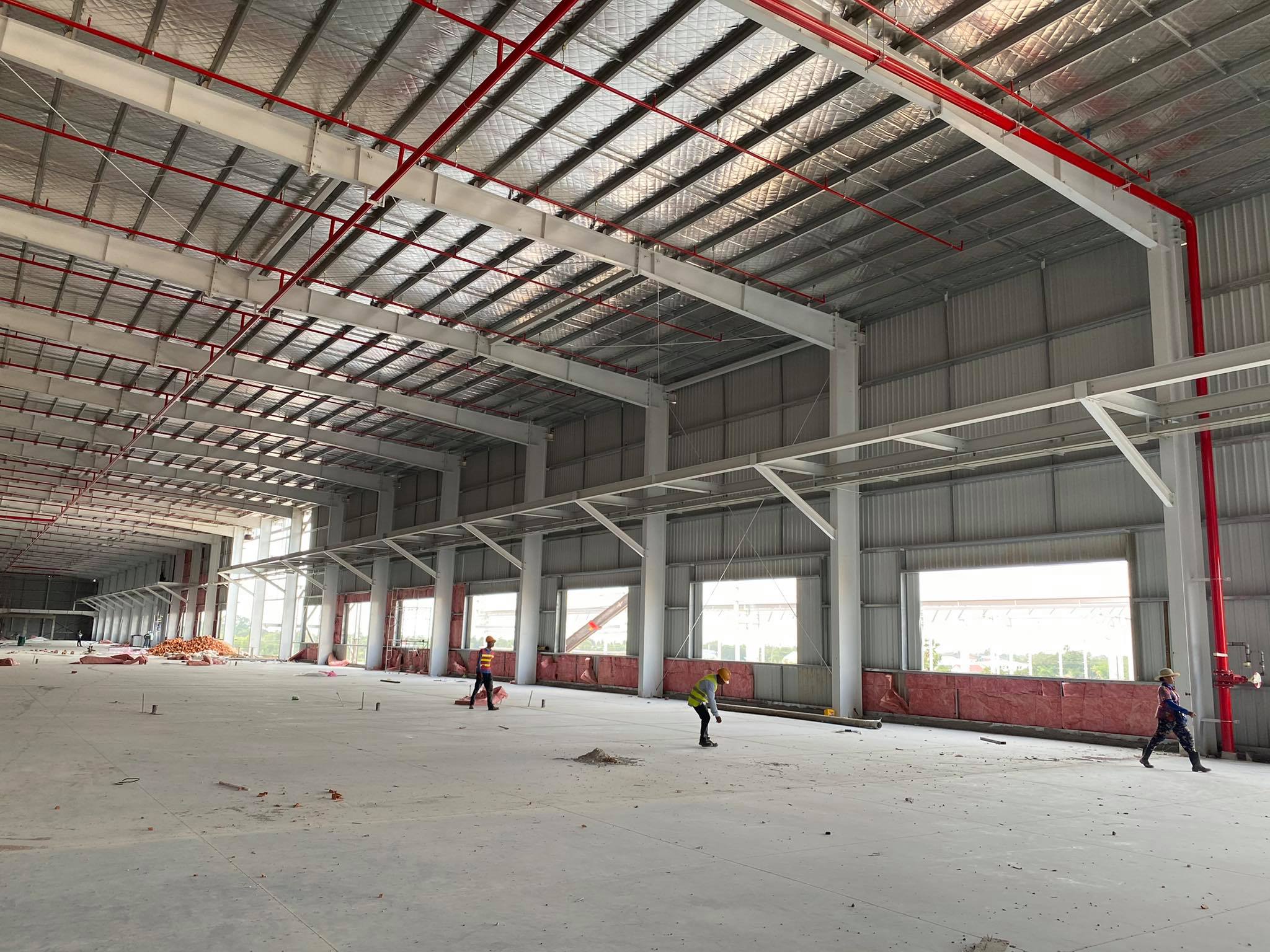
Why should steel structures be used when building industrial buildings?
In industrial building construction, steel structure is considered one of the top choices for various reasons. Below are the benefits of using steel structures in industrial building construction.
- High durability: Steel structure is a highly durable material, capable of withstanding major natural impacts such as earthquakes, wind, rain, storms, insect infestation, and almost any other factor that could affect a construction project.
- Cost and construction time savings: Steel structures are lightweight and can be built faster than other structures such as cement, wood, granite, etc., helping to reduce maintenance costs during the use of the industrial building.
- Flexible design capability: Designed as simple blocks, steel structures have flexibility in construction and design.
Above are the benefits of using steel structures for industrial building projects. If you are in need of building an industrial facility, choose steel structures to take advantage of the benefits it brings.

Criteria for designing industrial steel structures
When designing steel structures for industrial buildings, many factors need to be considered to ensure efficiency and safety. Below are some important criteria in the process of designing steel structures for industrial buildings.
- Load-bearing capacity: This is an important factor to consider to ensure the steel structure can withstand the loads.
- Durability: The steel structure must ensure it does not deform during use and has high durability.
- Fire resistance: Steel structures can be designed to meet fire resistance requirements to minimize the risk of fire and explosion in the factory.
- Cost savings: Steel structure design needs to be considered to minimize costs. This can be achieved through optimal design, the use of low-cost materials, and efficient construction methods.
- Safety: Steel structures need to be designed to ensure safety for both the factory building and the employees working inside. The structure must be capable of resisting vibrations, withstanding earthquakes, and being ready for emergency situations.
- Weld durability: Besides the load-bearing factor, the durability of welds on steel structure joints is also a factor that needs to be considered to ensure the safety of the structure.
- Design for changeability: Changes during the use of the factory building also need to be considered during the steel structure design process. The design needs to ensure the ability to change and expand to meet future needs.
Hopefully, the information above has helped you better understand the design process of steel structures for industrial buildings. Applying these criteria fully will ensure aesthetics, safety, and efficiency in steel structure design. With over 25 years of experience in the manufacturing and installation of steel structures, choosing Hai Long Construction will help you execute the design and construction of industrial factory buildings with safe and efficient steel structures.