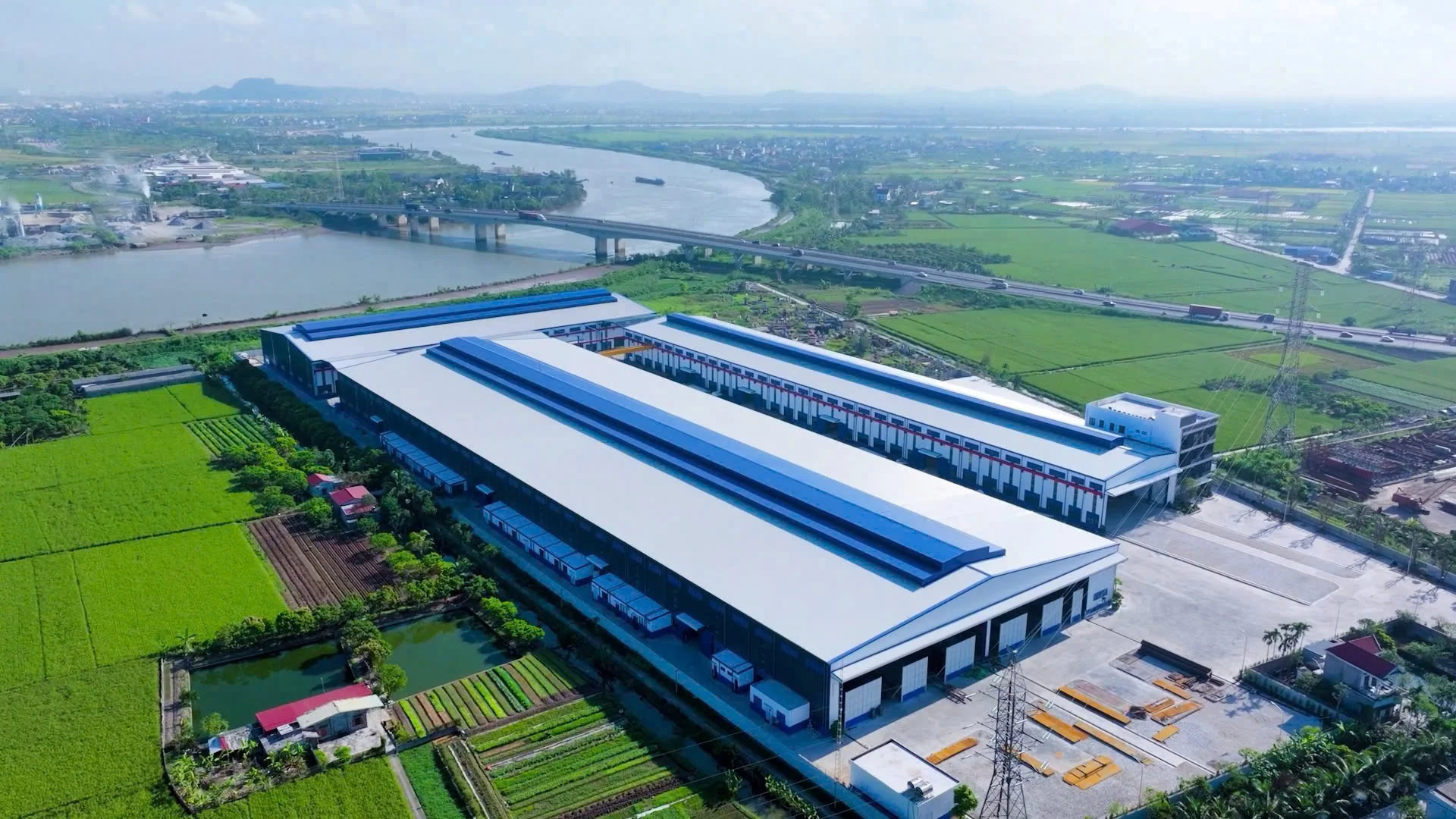


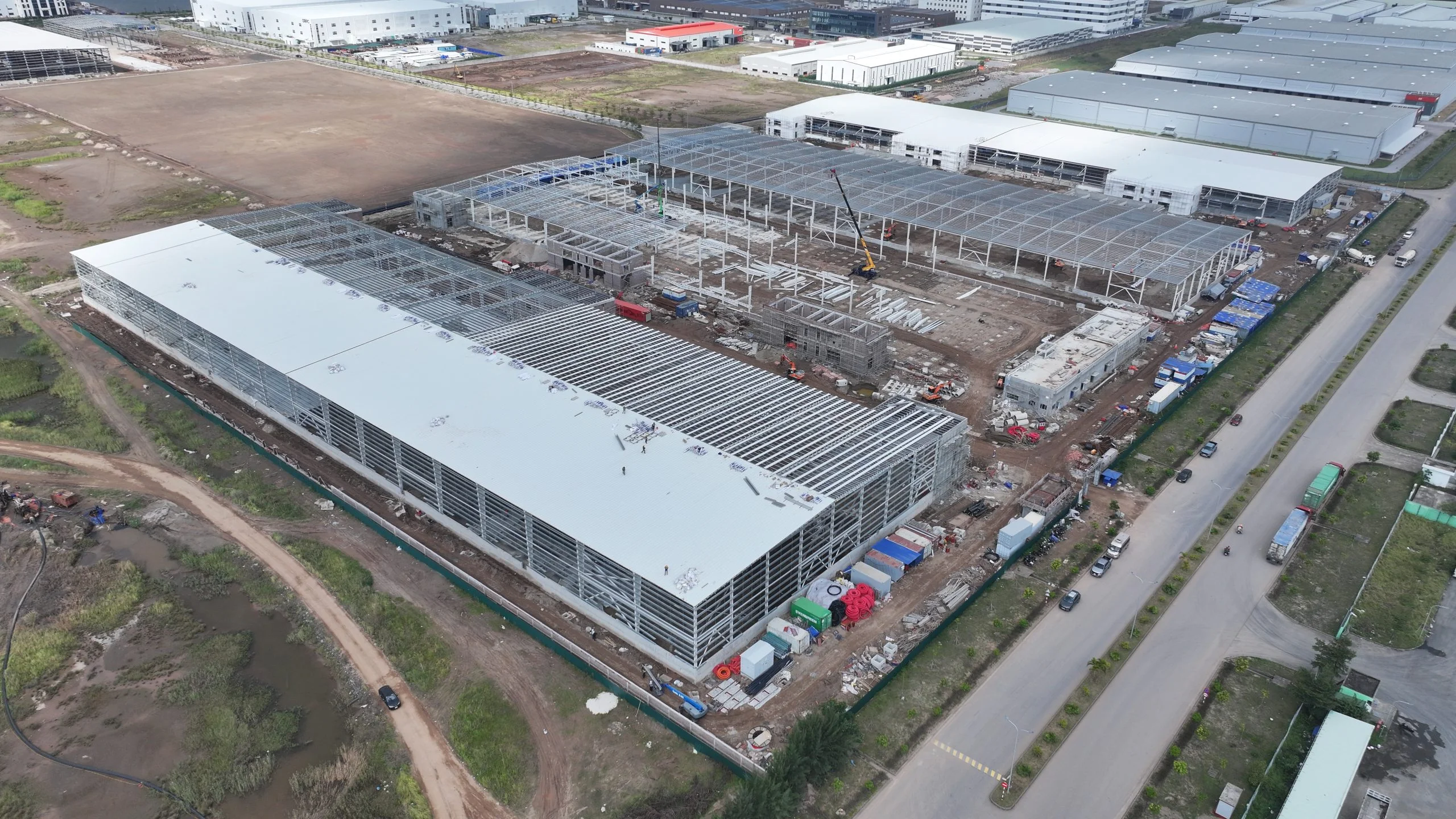
ESG standards are not just in the investor's profile; they change how contractors organize the construction site every day. The EHA Hai Phong Industrial Park and Logistics project, covering 9 hectares, with Hai Long Construction as the general contractor, is a concrete example of that change.
A few years ago, ESG – environmental, social, and governance – was still a concept for annual reports and investor relations departments. Now, as multinational corporations must prove their supply chains meet sustainable standards, that requirement extends down to the industrial parks, the warehouses they rent, and the contractors who build them. Hai Phong is also orienting the development of next-generation industrial parks towards green – smart – sustainable directions. The question for infrastructure investors is no longer “should we do ESG”, but “can my contractor do it”.
How is an ESG standard factory different from a regular factory?
An ESG standard factory differs from a regular factory in that quality is measured not only by the final product but by the entire process of creating it: where materials come from, how waste is treated, how workers are protected, and whether everything is recorded and verified.
In terms of appearance, an ESG-standard logistics warehouse may look no different from a conventional one. The difference lies in the accompanying documentation and the work habits on-site throughout the months of construction – elements that tenants and assessment organizations will later require for review.
What does ESG change on the construction site?
On the construction site, ESG is reflected through four specific changes that the contractor must maintain daily, not just on the day of acceptance.
- Waste management and environmental impact. Construction waste is sorted at the source, with designated collection points and clear collection units; dust, noise, and site wastewater are controlled and monitored.
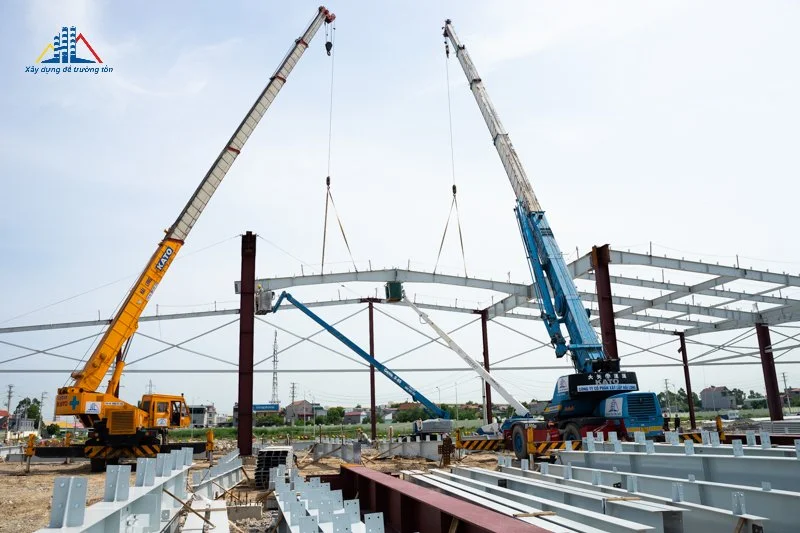
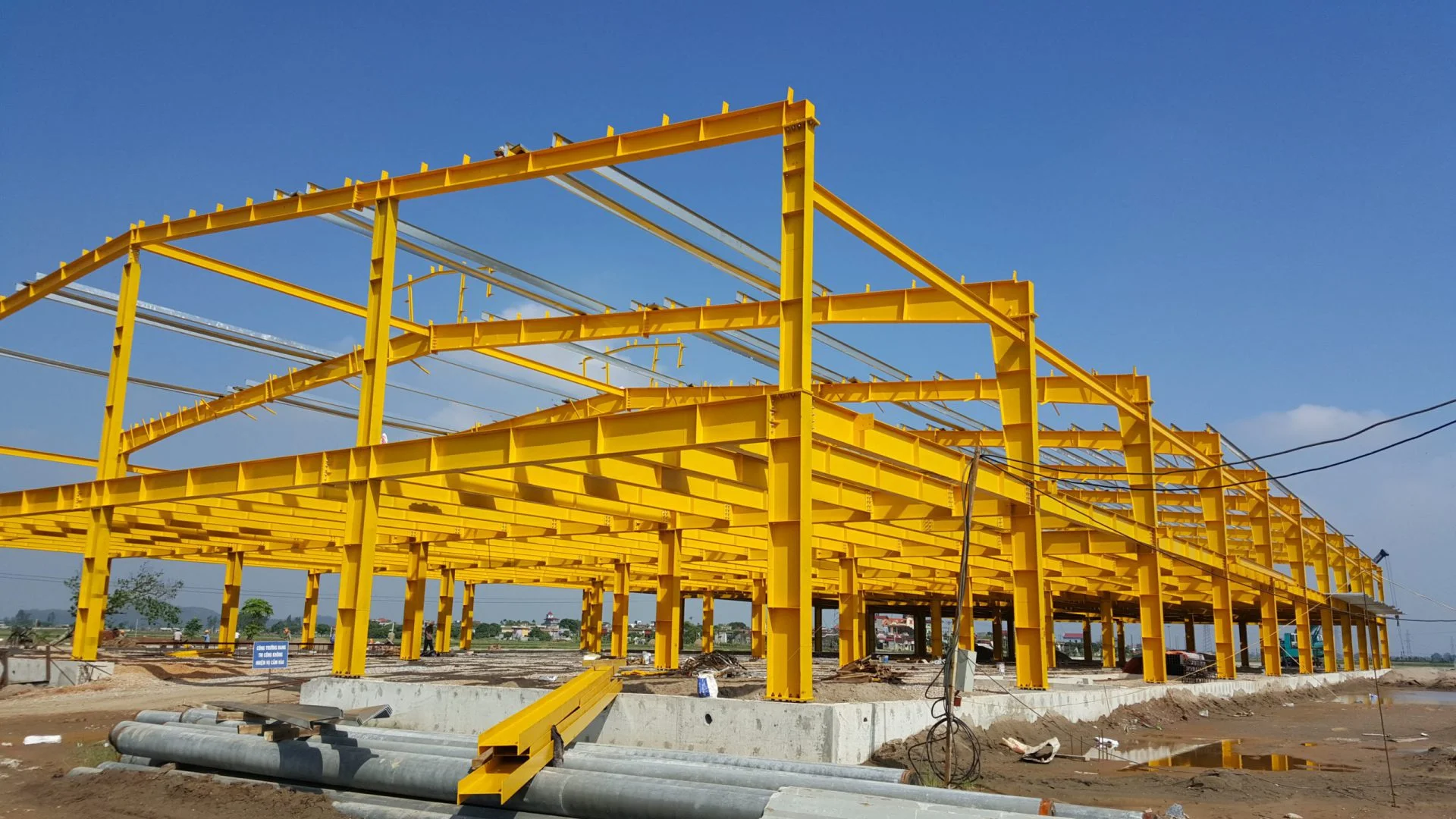
- Materials with clear origins. Steel, concrete, and cladding materials come with certificates of origin and quality. For steel structures, records can be traced from the input steel batch to each individual component installed on the project.
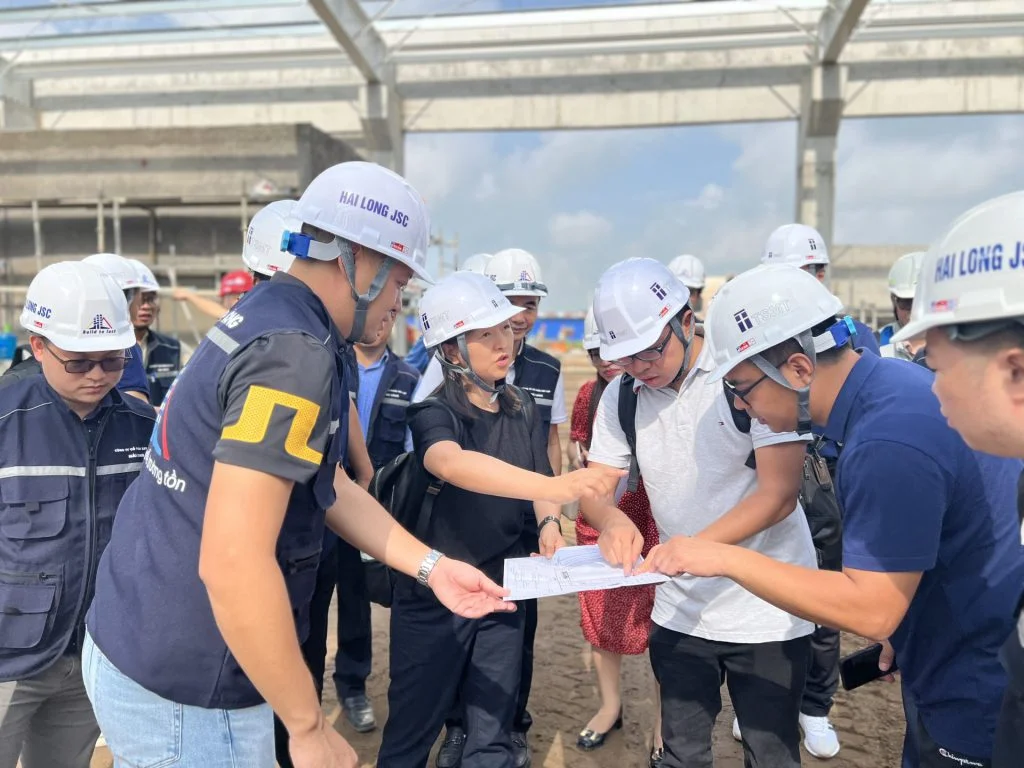
- Safety and employee benefits. Safety training before entering the site, full provision of protective equipment, permits for high-risk work such as working at heights or welding and cutting; while ensuring proper camp conditions and appropriate working hours.
- Transparent record-keeping and reporting. Data on electricity, water, fuel consumption, waste volume, and safety incidents are recorded periodically and reported to the investor – the “G” (governance) part of ESG.
EHA Hai Phong: scale and role of Hai Long
The EHA Hai Phong Industrial and Logistics Park has a scale of 9 hectares, developed according to ESG standards, with Hai Long Construction as the construction contractor.
The foundation for Hai Long to meet these requirements lies in its existing management system: Hai Long Steel Structure Factory in Quyet Thang commune, Hai Phong, operates under ISO 9001 (quality), ISO 14001 (environment), and ISO 45001 (occupational health and safety) – three pillars that correspond directly to the E and S requirements of ESG. Hai Long's experience in large-scale industrial infrastructure construction also includes the GawNP Nam Dinh Vu industrial center with 105,050 m² of construction floor area.
Which ESG documents should investors require from contractors?
Investors of industrial parks and ready-built factories should require contractors to prove their ESG capabilities with specific documentation right from the bidding stage, rather than just including commitments in the contract.
| Document | What it proves |
|---|---|
| Valid ISO 14001, ISO 45001 certificates | Has an independently assessed environmental and safety management system |
| Site environmental management plan | How to handle waste, dust, noise, and wastewater for this specific project |
| Health, Safety, and Environment (HSE) plan and training records | Employees are trained and have permits for high-risk work |
| Material origin records | Steel and concrete have certificates and are traceable |
| Periodic report templates | Energy, waste, and safety data are recorded and shared |
| Similar completed projects | Practical experience, not just on paper |
Frequently Asked Questions
How does an ESG-standard factory differ from a conventional one?
An ESG-standard factory is evaluated not only by the completed structure but also by the construction process: materials have clear origins, waste is sorted and treated, workers are protected, and all data regarding energy, waste, and safety are recorded and reported transparently. These records help investors and tenants meet the sustainability requirements of the supply chain.
What is Hai Long's role in the EHA Hai Phong project?
Hai Long Construction is the construction contractor for the EHA Hai Phong Industrial and Logistics Park project, with a scale of 9 hectares, developed according to ESG standards. Hai Long operates under ISO 9001, ISO 14001, and ISO 45001, and has experience as a general contractor for industrial infrastructure such as the GawNP Nam Dinh Vu Industrial Center (105,050 m² of floor area).
Which ESG documents should investors require from contractors?
Investors should require contractors to provide valid ISO 14001 and ISO 45001 certificates, a site environmental management plan, a health, safety, and environment plan with training records, material origin records, periodic report templates, and a list of similar completed projects. This requirement should be set right from the bidding stage.
Construction consulting for ready-built factories for industrial park developers
Industrial park and logistics warehouse developers can contact Hai Long to discuss construction plans that meet ESG requirements.
Hotline: (+84) 846 625 888
Email: info@hailongjsc.vn