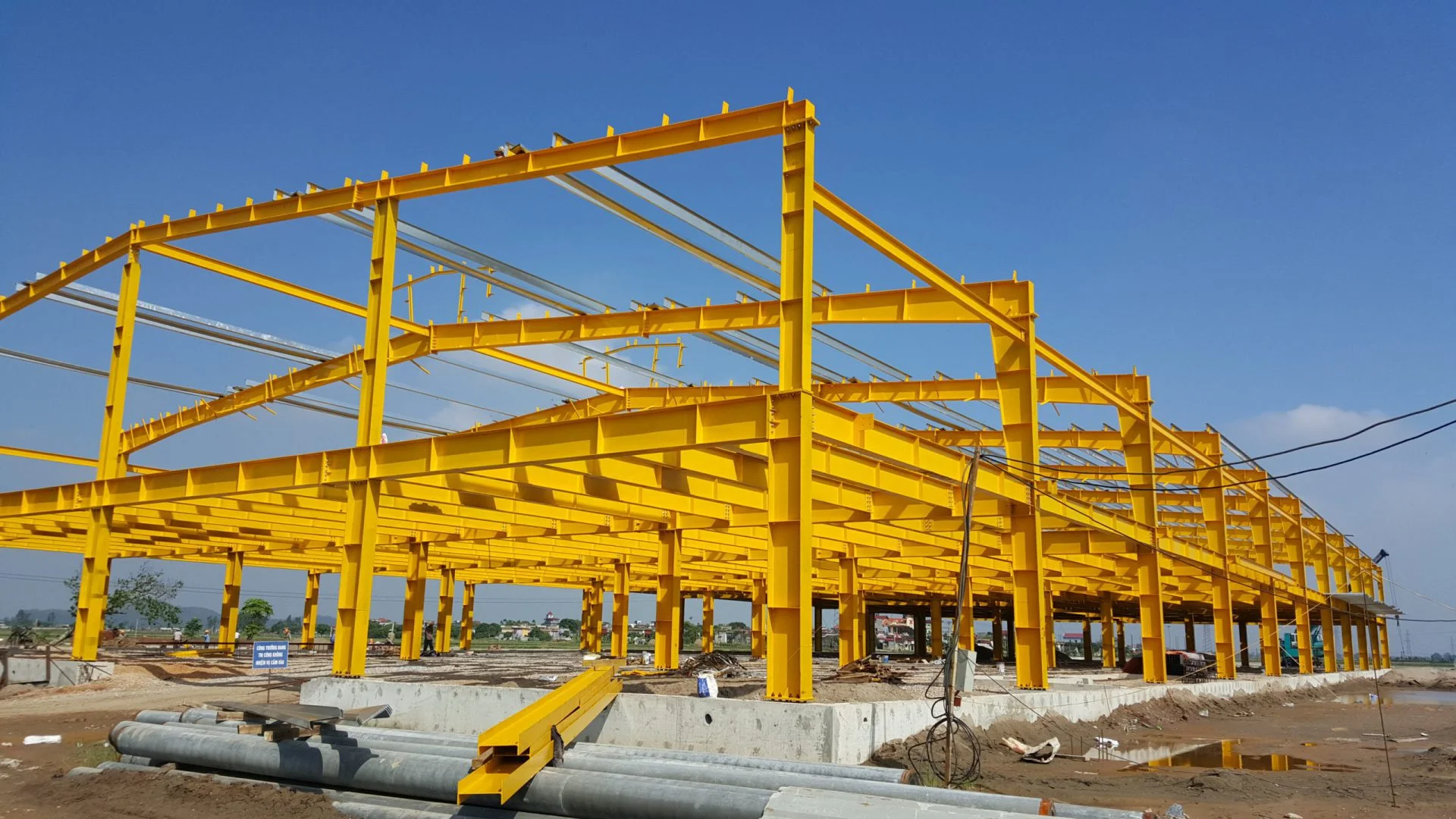


Steel is the top choice in construction due to its optimal cost, superior flexibility, and long-term durability. Understanding steel materials not only helps improve construction efficiency but also ensures the quality and suitability of each project. This article will provide a detailed analysis of structural steel material lines, their outstanding characteristics, and the application scope of each type.
1. Classification by chemical composition
Structural steel materials are divided into many groups based on their chemical composition, including carbon ratios (low, medium, and high carbon steel), combinations with alloying elements (alloy steel), or specific chromium content (stainless steel).
Carbon steel:
Considered the primary steel line in the construction industry, carbon steel mainly consists of iron and carbon, with other elements at minimal levels. This type of steel stands out for its superior strength and flexible welding process.
Based on the carbon ratio, carbon steel is divided into three main groups:
- Low carbon steel (≤ 0.25% carbon): Ductile and easy to process.
- Medium carbon steel (0.25% – 0.60% carbon): Balanced between strength and ductility.
- High carbon steel (≥ 0.60% carbon): High hardness, good load-bearing capacity.
Carbon steel is widely used in large projects such as high-rise building frames, bridges, and transport infrastructure due to its economy and high performance.

Stainless steel:
Stainless steel is an alloy containing at least 10.5% chromium, providing superior corrosion resistance. With high durability, a shiny appearance, and no requirement for frequent maintenance, this type of steel is favored in both construction and industry.
In construction, stainless steel appears in architectural details such as facades, railings, or decorative parts. Additionally, thanks to its hygienic and chemical-resistant properties, it is also a top choice for the food processing, medical, and chemical industries.

Alloy steel:
Alloy steel is created by adding elements such as manganese, nickel, chromium, or molybdenum to steel to enhance properties like hardness, load-bearing capacity, or corrosion resistance. Depending on the alloy composition, steel can be optimized for specific purposes.
This type of steel is often used in applications requiring high strength and toughness, such as manufacturing industrial machinery, automotive parts, or specialized technical equipment.
2. Classification by surface processing procedure
Structural steel materials can be classified based on surface treatment techniques during the finishing stage, including main types such as hot-rolled steel, cold-rolled steel, and cold-finished steel.
Hot-rolled steel:
Hot-rolled steel is produced by heating steel billets to temperatures above 1,000°C, then passing them through a roller system to shape and adjust the thickness. This type of steel is often used for products such as structural steel (H, I, U shapes), steel plates, or large steel pipes. A recognizable feature of hot-rolled steel is the surface oxide layer (mill scale) caused by high temperatures, suitable for projects that do not require high aesthetic finishing such as factory building frames, steel bridges, or infrastructure structures.

Cold-rolled steel:
Cold-rolled steel is created from hot-rolled steel, undergoing an additional rolling process at room temperature to achieve thinner dimensions and improve surface quality. The result is a product with a smooth surface, precise dimensions with small tolerances, and enhanced strength and hardness. This type of steel is ideal for applications requiring sophistication, such as car bodies, electronic components, or machinery parts requiring high aesthetics and precision.

Cold-finished steel:
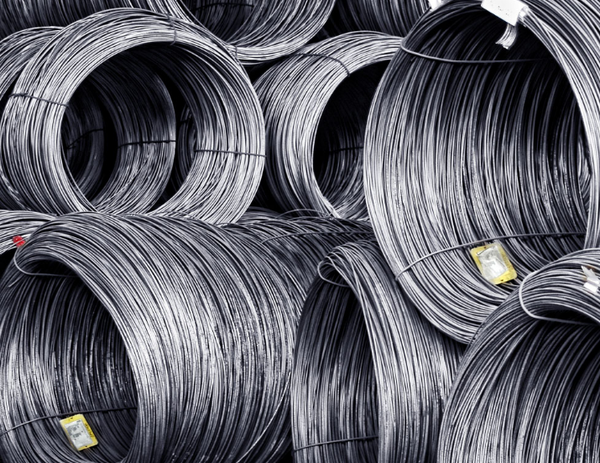
Cold-finished steel is processed through methods such as drawing, grinding, or peeling to create steel bars, wires, or pipes with optimal precision and a super-smooth surface. This process typically involves pulling steel through specialized dies or using machine tools for precise shaping, significantly improving mechanical properties such as tensile strength and hardness. Cold-finished steel is used in products requiring high finishing, such as drive shafts, technical accessories, or complex machinery parts.
3. Classification by production technology
Structural steel materials can be divided into many types based on production processes, including main groups such as blast furnace steel, electric arc furnace steel, and continuous casting steel.
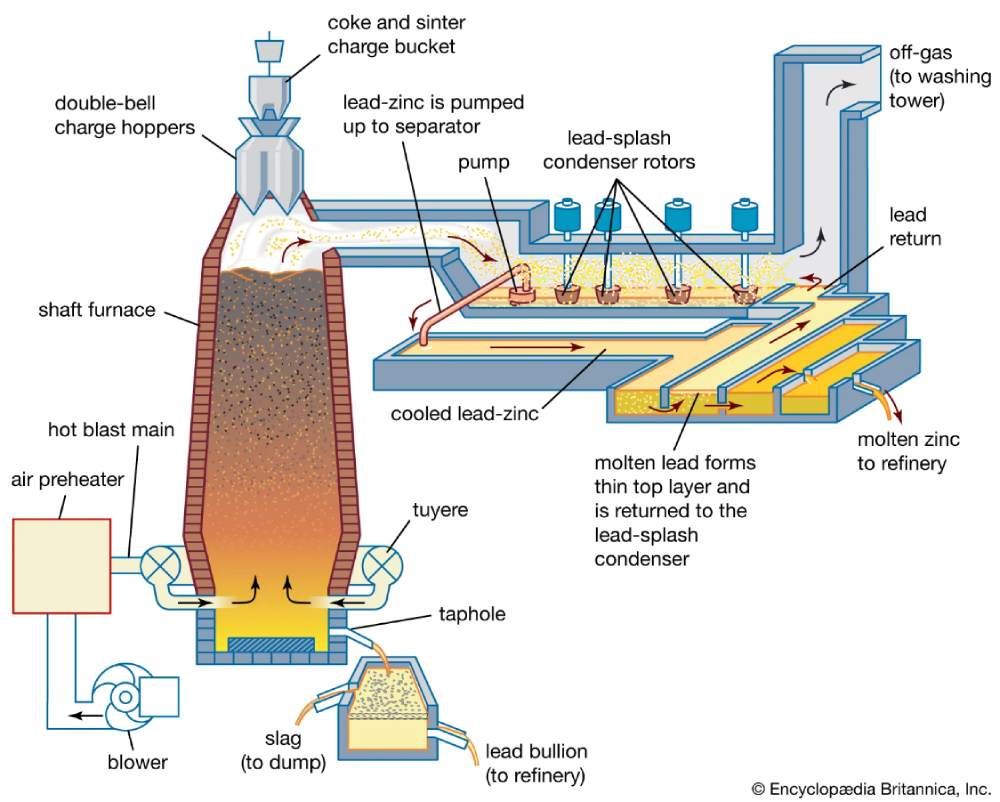
Blast furnace steel is produced through traditional metallurgical processes, using iron ore, coke, and limestone as main raw materials. In the blast furnace, extreme heat from coke combustion melts the iron ore, creating molten pig iron that accumulates at the bottom of the furnace. This pig iron is then refined through additional stages to remove impurities and adjust the composition to produce quality steel. This type of steel is often used in large structural applications such as industrial steel frames and transport infrastructure.
Electric arc furnace steel:
The electric arc furnace (EAF) process utilizes a strong electric current to create an arc, melting steel scrap or additional alloys. Steel scrap is charged into the furnace, then the electric arc between electrodes and metal generates high heat, turning the raw material into molten steel. This method stands out for its flexibility, allowing for the adjustment of chemical composition to produce specific types of steel. Electric arc furnace steel is widely used in steel recycling and manufacturing products such as alloy steel or high-tech steel.
Continuous casting steel:
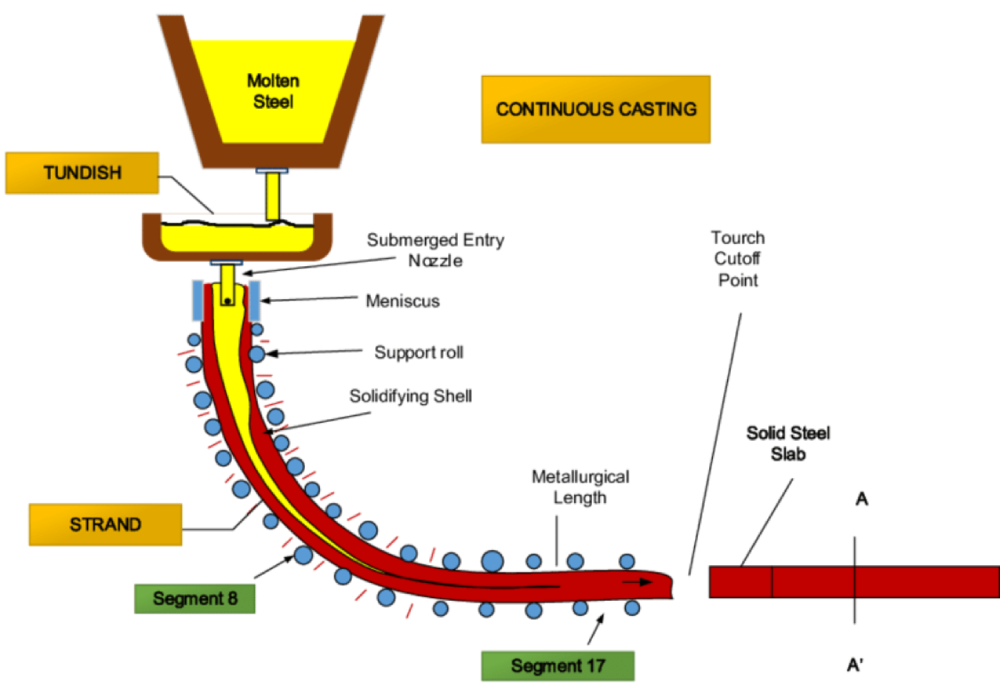
Continuous casting steel is a product of modern technology, where molten steel is poured into water-cooled molds to be shaped into forms such as square billets, slabs, or blooms. The process is continuous, with solidified steel being withdrawn, cooled, and cut into standard sizes. This method provides high efficiency, reduces production costs, and ensures uniform quality, making it very suitable for creating steel products for construction, machinery manufacturing, and other industries.
4. Additional classification methods
Besides the main criteria, structural steel materials are also classified according to several other technical characteristics, including mechanical strength, deoxidation processes, and heat treatment methods.
By mechanical strength:
Steel can be classified based on mechanical parameters according to ASTM (American Society for Testing and Materials) standards, such as yield strength, tensile strength, and load-bearing capacity. These characteristics determine the suitability of steel for specific applications, from factory building structures to bridges or heavy industrial equipment.
Based on the deoxidation process:
The deoxidation process in steelmaking directly affects the quality and microstructure of the steel. Based on the level of oxygen removal from molten steel, steel is classified into:
- Killed steel: Oxygen is thoroughly removed, creating steel with a uniform structure, suitable for products requiring high durability.
- Semi-killed steel: Oxygen levels are partially reduced, typically used for applications that do not require extremely strict quality standards.
This method affects the purity and mechanical properties of the steel, meeting diverse production needs.
Based on heat treatment:
Heat treatment is a technique for changing the properties of steel through controlled heating and cooling cycles. Some common methods include:
- Annealing: Softens the steel, increases ductility, and makes it easier to process.
- Quenching and Tempering: Increases hardness and strength, suitable for steel subjected to heavy loads.
These processes help optimize steel for specific purposes, from pre-engineered steel building frames to machine components.
This article has summarized 4 ways to classify structural steel materials, ranging from chemical composition, surface processing procedures, and production technology to additional properties. Understanding these methods helps you choose the right type of steel for each construction or manufacturing project.
With over 25 years of experience in the manufacturing and installation of steel structures, choosing Hai Long Construction will help you execute the design and construction of industrial factory buildings with steel structures that ensure safety and efficiency.