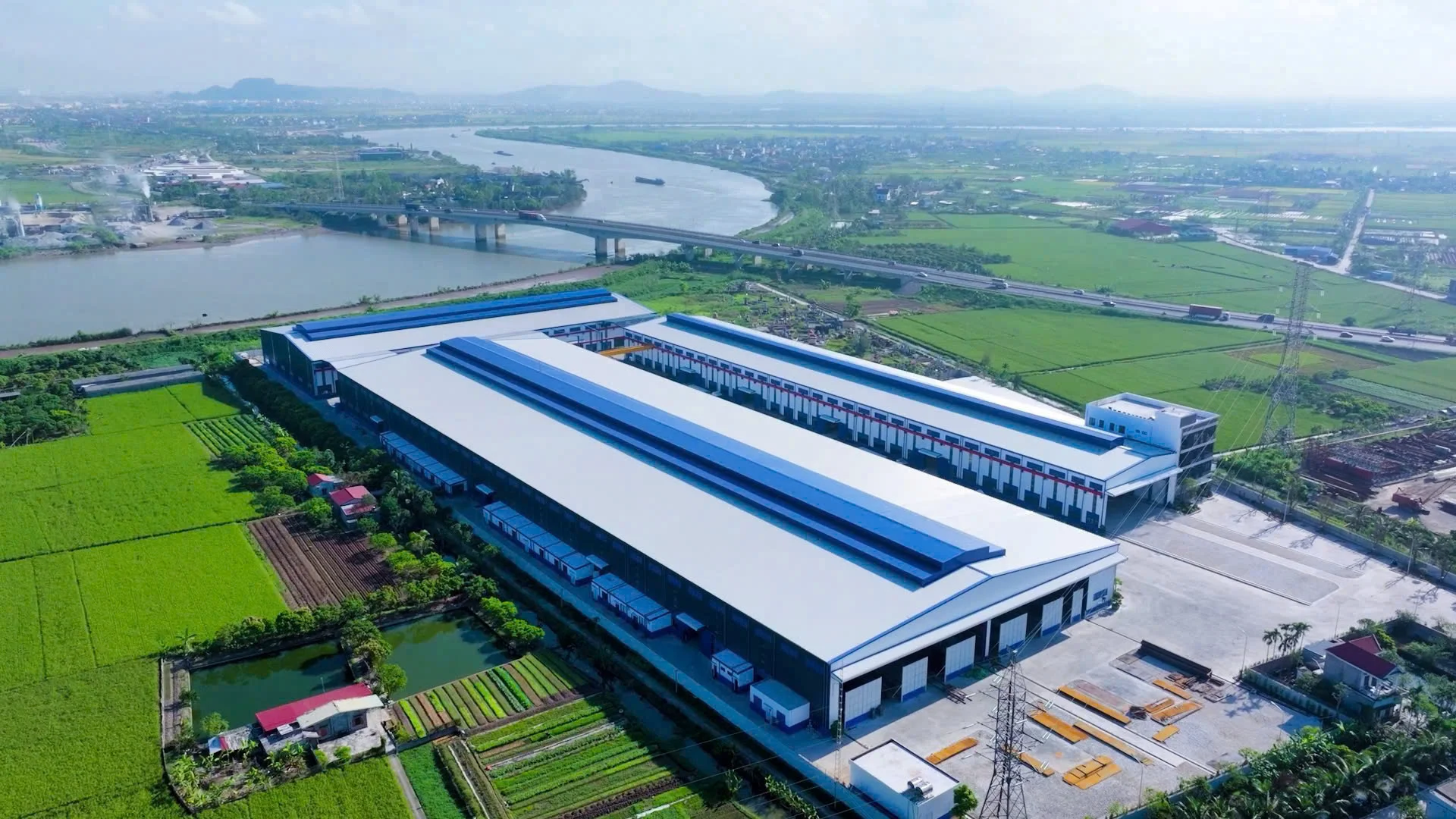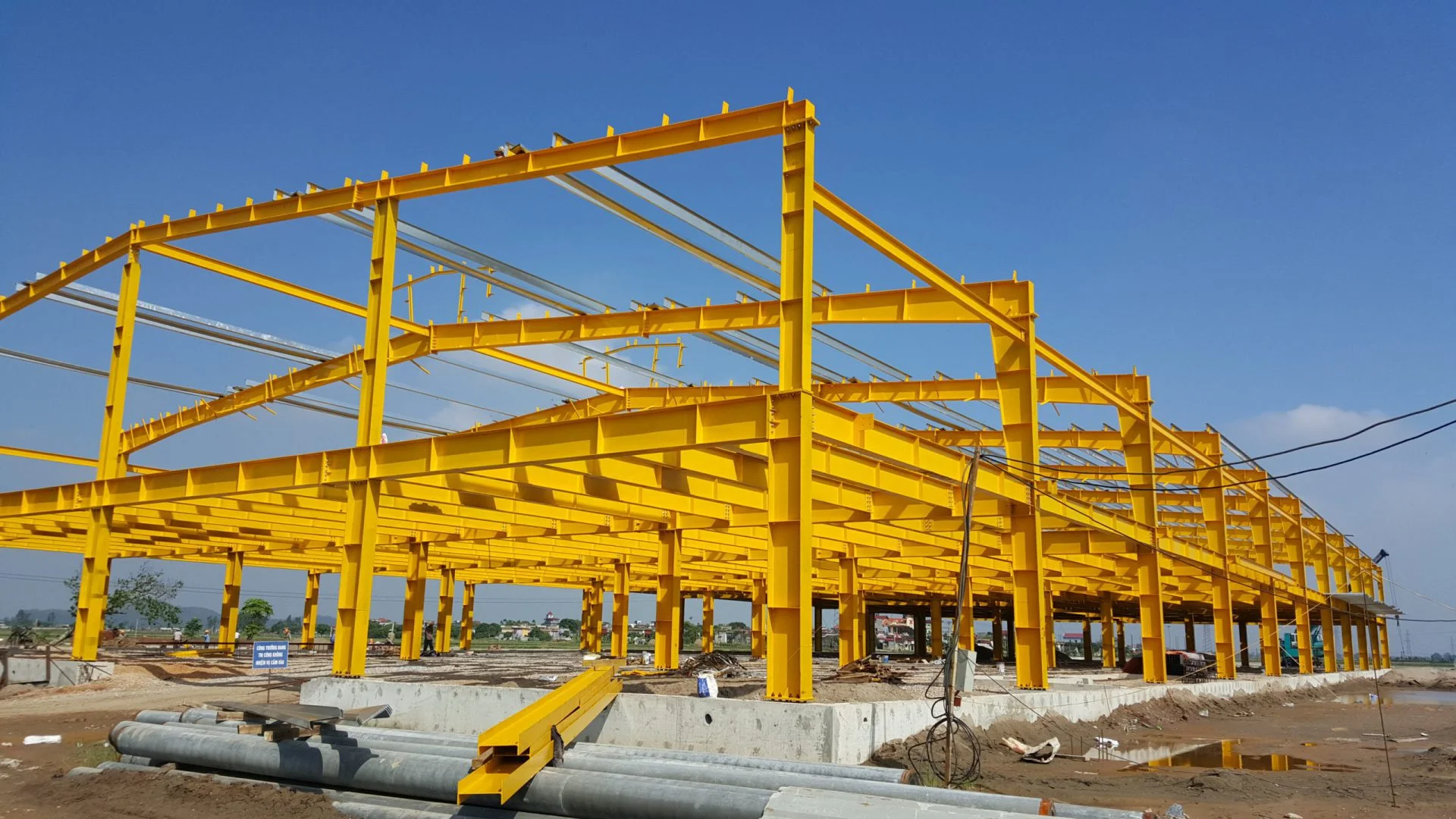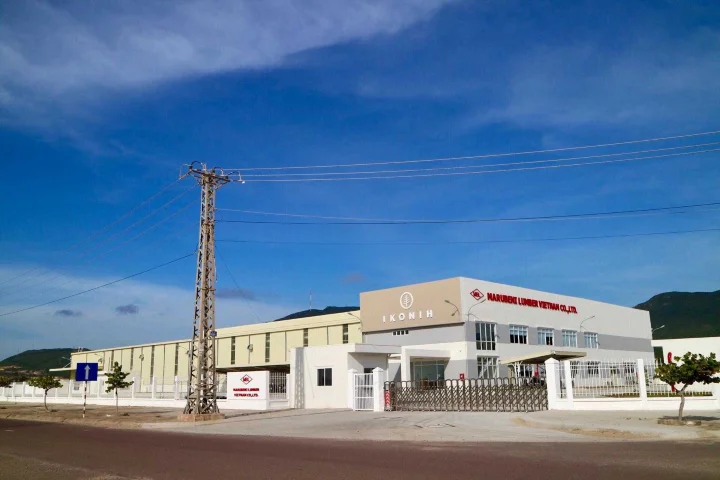


The development of the digital economy and cold supply chains has opened up new market segments for the steel structure industry. No longer just monotonous factory buildings, projects like Cold Storage, Data Centers, and Food/Electronics factories require sophisticated structural solutions that address complex architectural physics problems such as thermal bridging, vibration, and hygiene. This chapter will analyze these specific technical requirements and Hai Long's solutions.
1. Cold Storage and the Challenge of Thermal Bridging
Cold storage facilities operate at deep sub-zero temperatures (down to -40°C for blast freezers), while the outside temperature in Vietnam can reach 40°C. This temperature difference creates a large heat flow through the building envelope.
- Steel's Problem: Steel is an extremely good thermal conductor ($\lambda \approx 50 W/mK$), thousands of times higher than PU/PIR insulation materials ($\lambda \approx 0.022 W/mK$). Steel structural details that penetrate the insulation layer (such as roof support columns, floor beams, and purlins) create "thermal bridges." The consequences include energy loss, condensation, and icing at connection points, causing material damage and compromising hygiene safety.
- Technical Solutions:
- Structural Thermal Breaks: Use load-bearing pads made of special composite materials (such as Armatherm, Fabreeka) placed between column base plates and foundations, or between through-wall beam connections. These materials have very high compressive strength (> 200 MPa) to transfer structural loads while having low thermal conductivity, effectively cutting off heat flow.
- Connection Details: Design purlin and wall bracing connections to minimize direct contact area or ensure they are located entirely within the "warm" zone of the insulation layer.
2. Data Center: Vibration Control and Security
Data centers house servers and hard drives (HDD) that are extremely sensitive to vibration. Even a minor vibration can disrupt data read/write processes, causing system downtime.
- Vibration Standards: Data Center floors must often comply with strict Vibration Criteria (VC curves), such as VC-A, VC-B, or even VC-C, depending on the density and type of equipment.
- Steel Structure Design: To achieve high stiffness and natural frequency (avoiding resonance with vibrations caused by foot traffic or electromechanical equipment), steel floor beam systems often use large sections, shorter spans than usual, and are combined with composite concrete decks to increase mass and damping capacity.26
- Resilience: Data Centers require Tier III or IV standards from the Uptime Institute, which demand that the structure withstand extreme loads (earthquakes, high-level typhoons). Steel frames with high ductility are a superior choice over concrete for absorbing seismic energy without collapsing.

3. Food and Electronics Factories: Hygienic Design
Projects such as seafood processing plants (e.g., Hai Long's Sheng Long Hai Duong project) or electronics component factories (GIS Technology) have strict requirements for hygiene and dust control.
- Sealed Components: Instead of using I or H-shaped steel with corners that easily accumulate dust and bacteria, Hollow Structural Sections (HSS) or box steel are preferred for columns and bracing in production areas. Pipe ends must be completely sealed by welding.
- Surface and Coating: Use specialized epoxy paints that are resistant to cleaning chemicals, with smooth, dust-free surfaces. In areas in direct contact with food or corrosive chemicals, Stainless Steel (304/316) is mandatory. Stainless steel structural design follows specific regulations (such as AISC Design Guide 27) due to local buckling behavior that differs from carbon steel.
- Cleanroom: In electronics factories, cleanroom envelope systems (ceilings, walls) are usually independent panel systems or suspended from the main steel frame. The main steel structure must ensure minimal deflection to prevent panel joint gaps, ensuring airtightness and room pressure.
4. The Role of TCVN 170:2022 in Fabrication and Erection
To realize these complex designs, the fabrication and erection process must comply with TCVN 170:2022 "Steel structures – Fabrication, assembly, and acceptance."
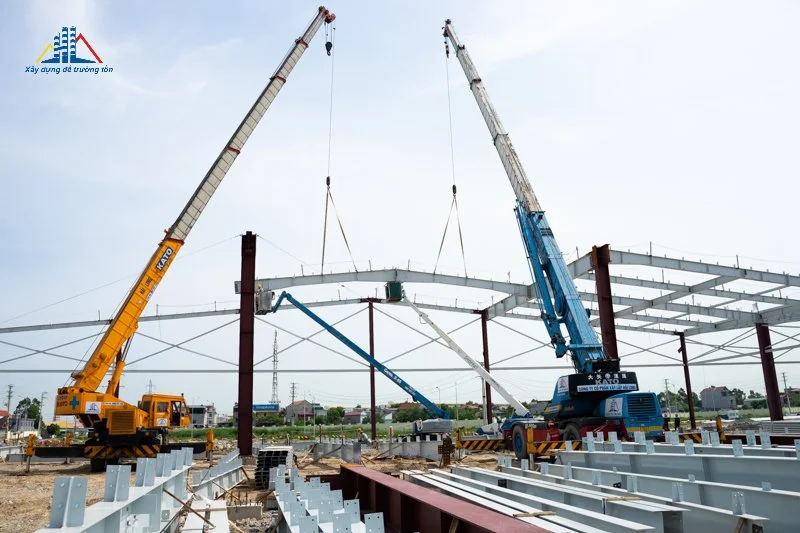
- Tolerances: TCVN 170 specifies very strict manufacturing (cutting, welding, punching) and erection (verticality, elevation) tolerances. For Data Centers or high-tech factories, these tolerances must be controlled even more strictly to ensure precise installation of machinery and equipment.
- Welding and NDT: Welding Procedure Specifications (WPS) and welder qualifications must be standardized (usually according to AWS D1.1). Non-Destructive Testing (NDT) such as Ultrasonic Testing (UT), Radiographic Testing (RT), or Magnetic Particle Testing (MT) is mandatory for primary load-bearing welds, especially in fatigue-prone structures like crane beams or vibrating machinery support structures.
Conclusion
Participating in Cold Storage, Data Center, or high-tech factory segments requires Hai Long Construction to be not just a construction contractor, but a technical solution partner. Understanding thermal bridging, vibration, and hygienic design, combined with the ability to manufacture precisely according to TCVN 170:2022, creates a distinct competitive advantage, helping Hai Long meet the most stringent requirements of international investors.