

According to the industrial real estate sector outlook report by FPTS Research, the North is currently the region with higher absorbed land area and newly registered FDI capital than the South.
Absorption area more than three times that of the South
FPTS Research stated that the net absorbed industrial park land area in the North in Q2/2026 reached 217 hectares. This figure is more than three times that of the South (71 hectares) and 44% higher than the average of previous periods.
Newly registered FDI capital by region
In the first 8 months of 2026, the North attracted 22.9 billion USD in newly registered FDI capital, an increase of 68% over the same period. This level is 66% higher than the South. The South reached 13.8 billion USD, an increase of 135% over the same period (according to FPTS Research, cited by Business Forum).
The processing and manufacturing sector alone attracted 12.1 billion USD in FDI in 8 months, an increase of 86%.
Approved land supply increases sharply
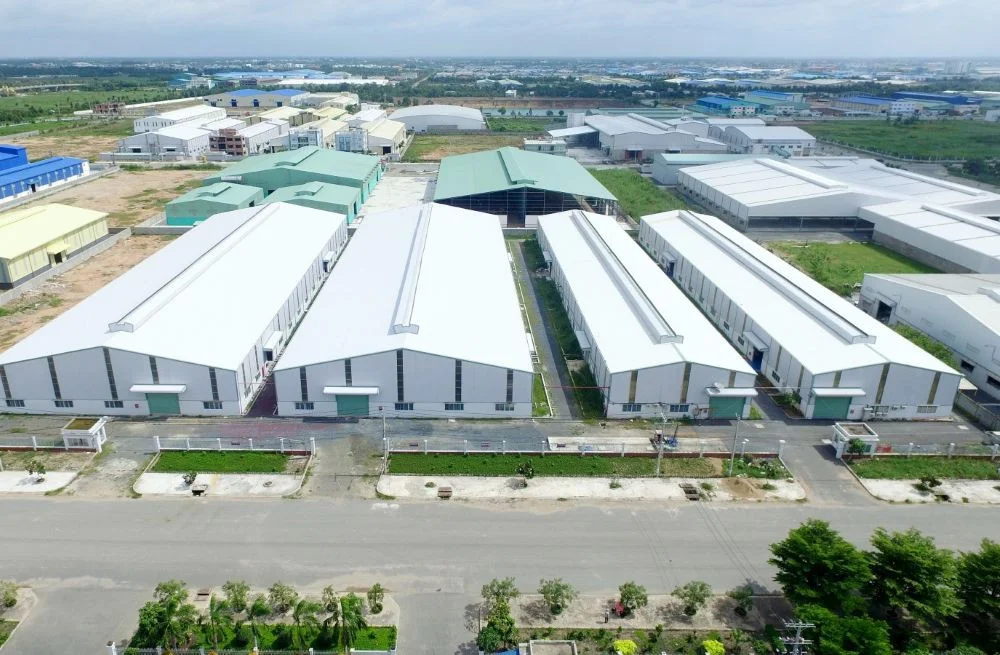
From 2020 to Q3/2026, the industrial park land area approved for investment policy in the North was 41% higher than in the South.
The area approved in the period from 2024 to Q3/2026 is 2.04 times that of the 2021–2023 period. According to the article, this land volume will add significant supply to the market in the next 3–5 years.
FPTS Research assesses the advantages of the North in three points:
- Land rental prices are relatively reasonable
- Abundant land bank available for lease
- An ecosystem for electronics and high-tech manufacturing has been formed
The report also notes that supply has expanded following the reorganization of administrative units. Decentralizing investment approval and site clearance authority to local authorities has helped shorten project implementation time.
Rental prices and profit margins
According to the article, land rental prices in tier-1 markets in the North are 143 USD/m²/lease term, an increase of 3% over the same period. In the South, the price is 183 USD/m²/lease term, an increase of 2%.
FPTS Research stated that the gross profit margin for the entire sector in Q2/2026 was 56%, and forecasts a narrowing trend in Q4/2026 and the long term.
The influencing factors mentioned include:
- Increased investment costs, mainly from compensation, site clearance, and infrastructure construction
- Slower growth rate of rental prices
- Increased new supply leading to fiercer competition
Trade policy
Vietnamese goods exported to the US are subject to an additional 12.5% tariff under Section 301, effective from July 24, 2026. The article assesses that this tariff level is equivalent to some Southeast Asian countries, so it does not significantly impact Vietnam's FDI attractiveness.
The report concludes that the industrial real estate market will maintain its recovery momentum until the end of 2026, with the North being the main growth driver.
Source summary: FPTS Research, industrial real estate sector outlook report (via Business Forum Newspaper, article “Northern industrial real estate maintains appeal”, October 16, 2026).