

Steel structure is the primary material in modern industrial and civil construction projects due to its superior durability and load-bearing capacity. However, when constructed and used outdoors, steel is highly susceptible to environmental factors. This article will provide a detailed analysis of why structural protection is necessary, types of anti-corrosion coatings, standard surface treatment processes, and important notes for periodic maintenance of steel structure projects.
1. Why do steel structures need protection?
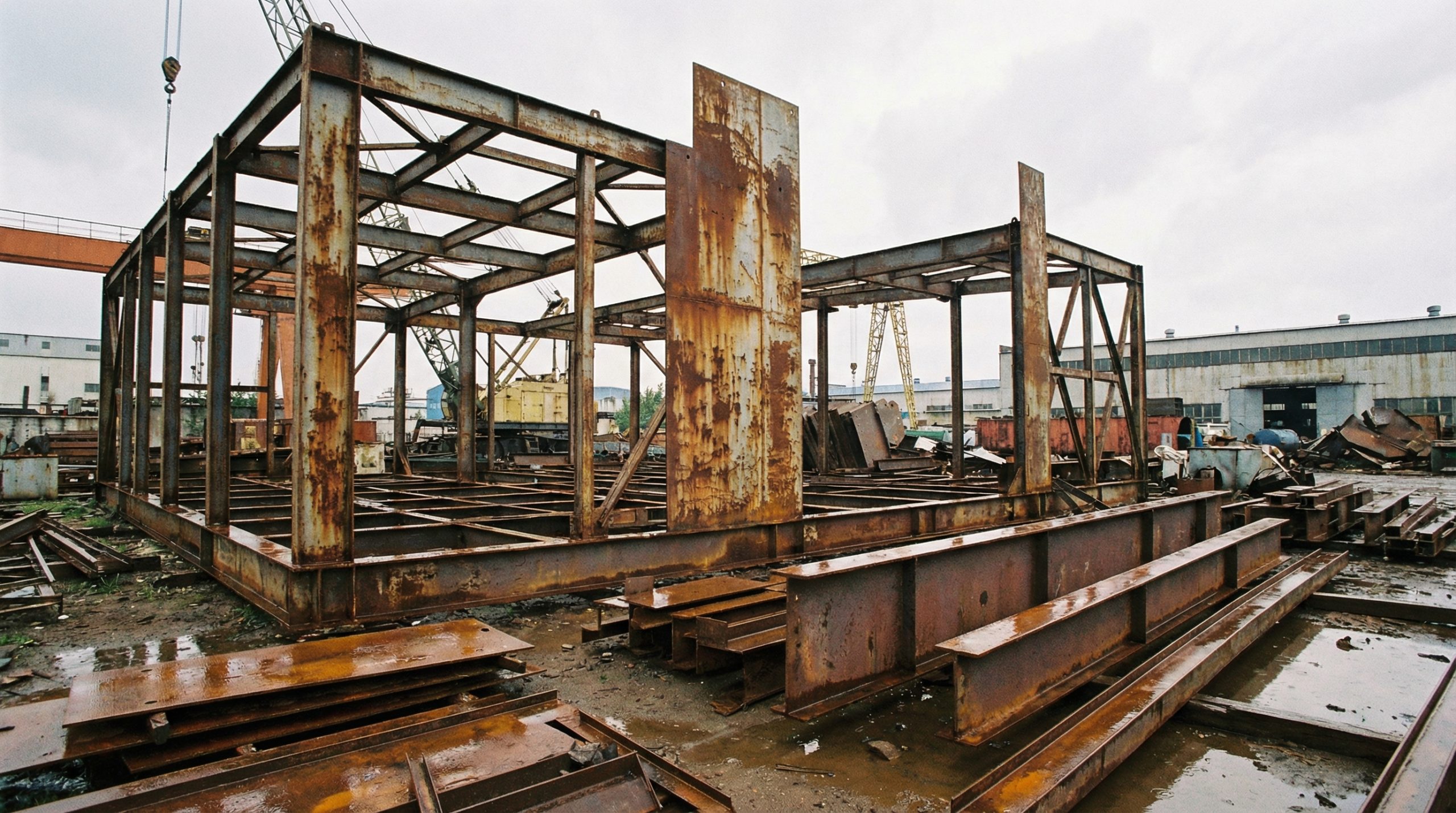
Rust is an inevitable result of the oxidation process that causes metal corrosion when steel is frequently exposed to moisture, air, and harsh weather conditions. Especially in coastal areas or heavy industrial environments containing many chemicals (acids, salts, alkalis), the corrosion rate occurs very rapidly and complexly.
The initial sign of this phenomenon is the appearance of brittle brown or reddish-brown scales on the steel surface. Without a protective layer or timely maintenance, the rust will continue to eat deep into the interior, making the steel structure brittle and easily decomposed. This condition seriously degrades the durability, stiffness, and load-bearing cross-section of the components, directly threatening the safety and stability of the entire project. Therefore, applying anti-corrosion measures from the fabrication stage is not only a technical requirement but also a vital factor for maintaining the project's lifespan.
2. Protective coating types: Powder coating and Intumescent paint
To protect steel structures operating outdoors, surface coating technology is the most popular and optimal solution. Depending on the specific requirements of the project, powder coating and intumescent paint are two options that offer outstanding advantages.
Powder Coating: Powder coating is a surface finishing method using dry powder paint, operating on the principle of electromagnetism. The powder is positively charged through a spray gun, while the metal object is grounded with a negative charge. The electrostatic attraction helps the powder particles adhere tightly and distribute extremely evenly over the material surface. Afterward, the component is placed in a high-temperature curing oven to melt the paint, forming a solid, durable bond. The advantages of powder coating include creating a coating with good hardness, high scratch resistance, rust protection, resistance to corrosive chemicals, and excellent color durability against harsh outdoor weather.
Intumescent Paint: Steel itself is non-combustible but loses its load-bearing capacity when temperatures rise during fires. Intumescent paint is a solution to protect steel structures against extreme temperatures. When exposed to a high heat source, this paint reacts chemically and expands 20 to 100 times its original thickness, forming a thick, porous carbon foam layer. This foam layer acts as a thermal insulation barrier, preventing rapid heat transfer to the steel core, helping to maintain structural integrity for a certain period (60, 90, or 120 minutes), creating a “golden time” for evacuation and fire fighting.
3. Standard steel surface treatment process
The protective paint layer will become meaningless and quickly peel off if the steel surface is not cleaned according to technical standards. Metal surface treatment meeting ISO 8501-1 is the vital starting step, determining up to 80% of the protective paint film's lifespan.
In modern steel structure construction, abrasive blasting (using sand or steel grit) is widely applied to achieve a surface standard of Sa 2.5 (near-white metal) or Sa 3.0 (white metal).
At the Sa 2.5 standard, the pressure from abrasive particles will thoroughly remove rust, mill scale, old paint, and impurities. The steel surface after treatment must be absolutely clean, allowing only faint spots or stripes on no more than 5% of the surface area.
The abrasive blasting process not only cleans but also creates an ideal profile, ranging from 50-100 micrometers. This roughness acts like millions of physical “anchor points,” allowing the primer to penetrate and create a strong mechanical bond with the metal substrate, preventing moisture and oxygen from penetrating.
Immediately after cleaning, the steel surface must be blown clean of dust with compressed air and primer painting should be carried out as soon as possible to prevent flash rust due to environmental humidity.
4. Notes on periodic maintenance of steel structures
Periodic maintenance of steel structures is not only for repairing damage but also a quality management strategy for the structure to optimize long-term costs. The maintenance process must adhere to reputable technical standards such as ISO 13822:2010 (Assessment of existing structures) and TCVN 12249:2018 (Guidelines for maintenance of steel structures).
Key maintenance tasks include:
Visual condition survey: Conduct periodic inspections to assess the level of corrosion, deterioration, or peeling of the paint layer. Special attention should be paid to checking connections, welds, and bolted joints, as these are the locations most prone to water accumulation and rust formation.
Structural deformation assessment: Measure and check the alignment, deflection, or twisting of components (columns, beams, bracing). In continuously operating factories, crane loads, machine vibrations, and crosswinds can deform the frame system over time.
Cleaning the roof drainage system: Regularly check and clean gutters and metal roofs to avoid accumulation of debris and leaves, preventing rainwater from leaking inside or causing water stagnation that leads to structural rust.
Timely intervention and repair: When small rust spots or slightly cracked welds are detected, immediate touch-up painting and reinforcement will prevent the spread of rust. Timely intervention helps save significant costs compared to having to replace components or reinforce the entire steel frame due to severe damage.
Establishing an accurate surface treatment process, using advanced coating systems combined with periodic maintenance is the perfect trio of solutions to help outdoor steel structures remain sturdy, safe, and extend their service life by decades.
HAI LONG STEEL STRUCTURE IS A REPUTABLE STEEL STRUCTURE MANUFACTURER
Choosing the right steel structure fabrication partner is the deciding factor for the success of every construction project. In a market that increasingly demands high quality, schedule adherence, and safety, Hai Long Steel Structure is proud to be a leading brand trusted by many major domestic and international investors:
- A team of experienced engineers, architects, and experts, knowledgeable in the design and construction of factory buildings and warehouses according to international standards.
- Diverse construction capabilities, meeting all project scales and requirements, from simple to complex factory buildings.
- Owning a steel structure factory with a system of modern machinery and equipment leading the region, ensuring fast, accurate, and safe construction.
- Professional construction process, strictly managed.
Are you looking for a reputable and professional steel structure manufacturing and erection contractor? Contact Hai Long Construction for free consultation and quotation:
- HAI LONG CONSTRUCTION JSC
- Address: Taiyo Building, 97 Bach Dang, Hong Bang Ward, Hai Phong City, Vietnam.
- Hotline: 084 6625 888
- Email: info@hailongjsc.vn