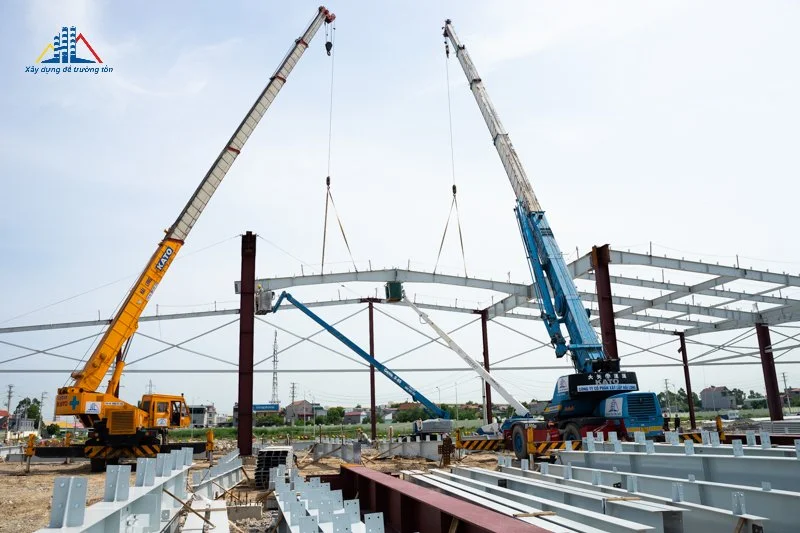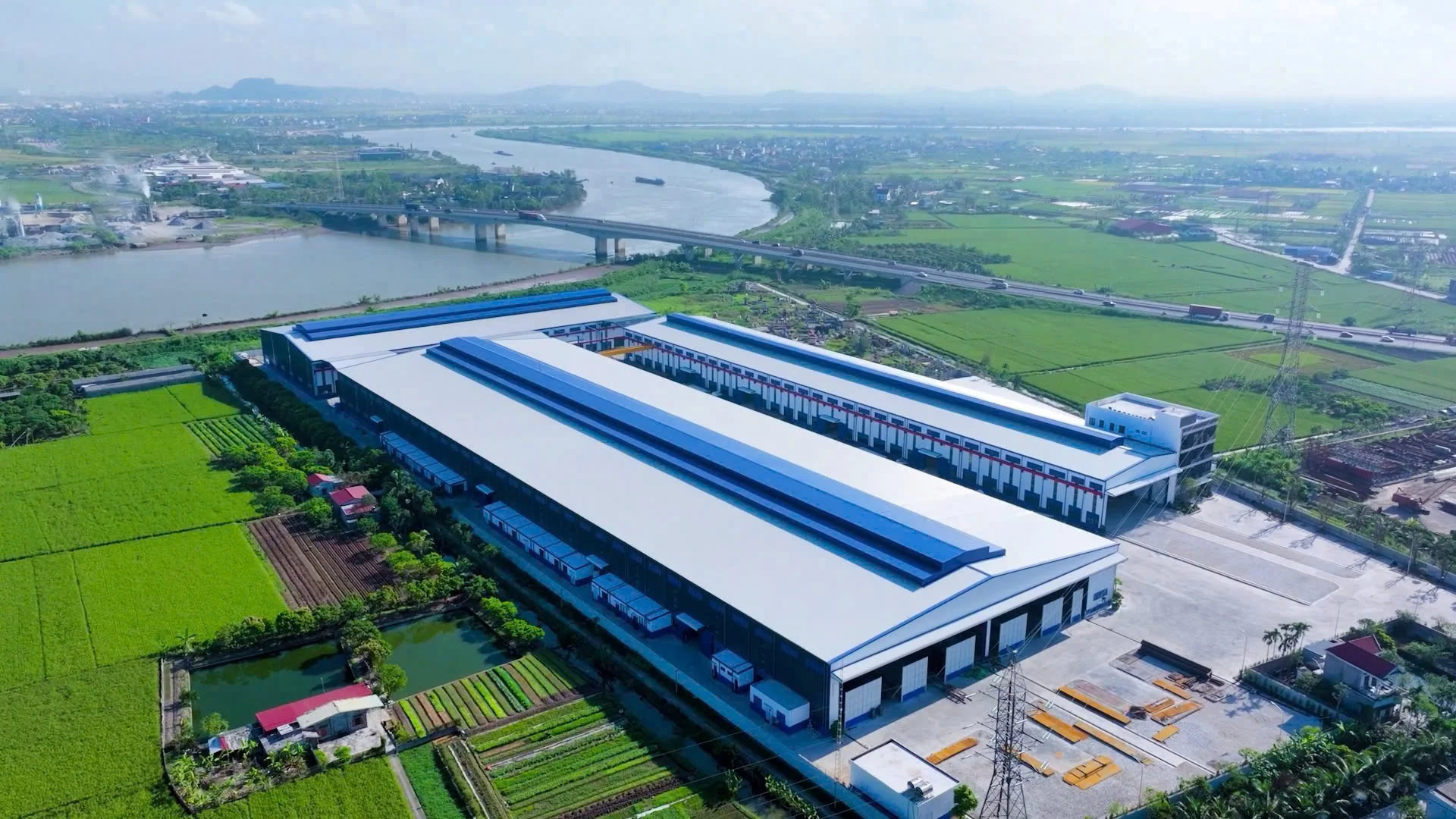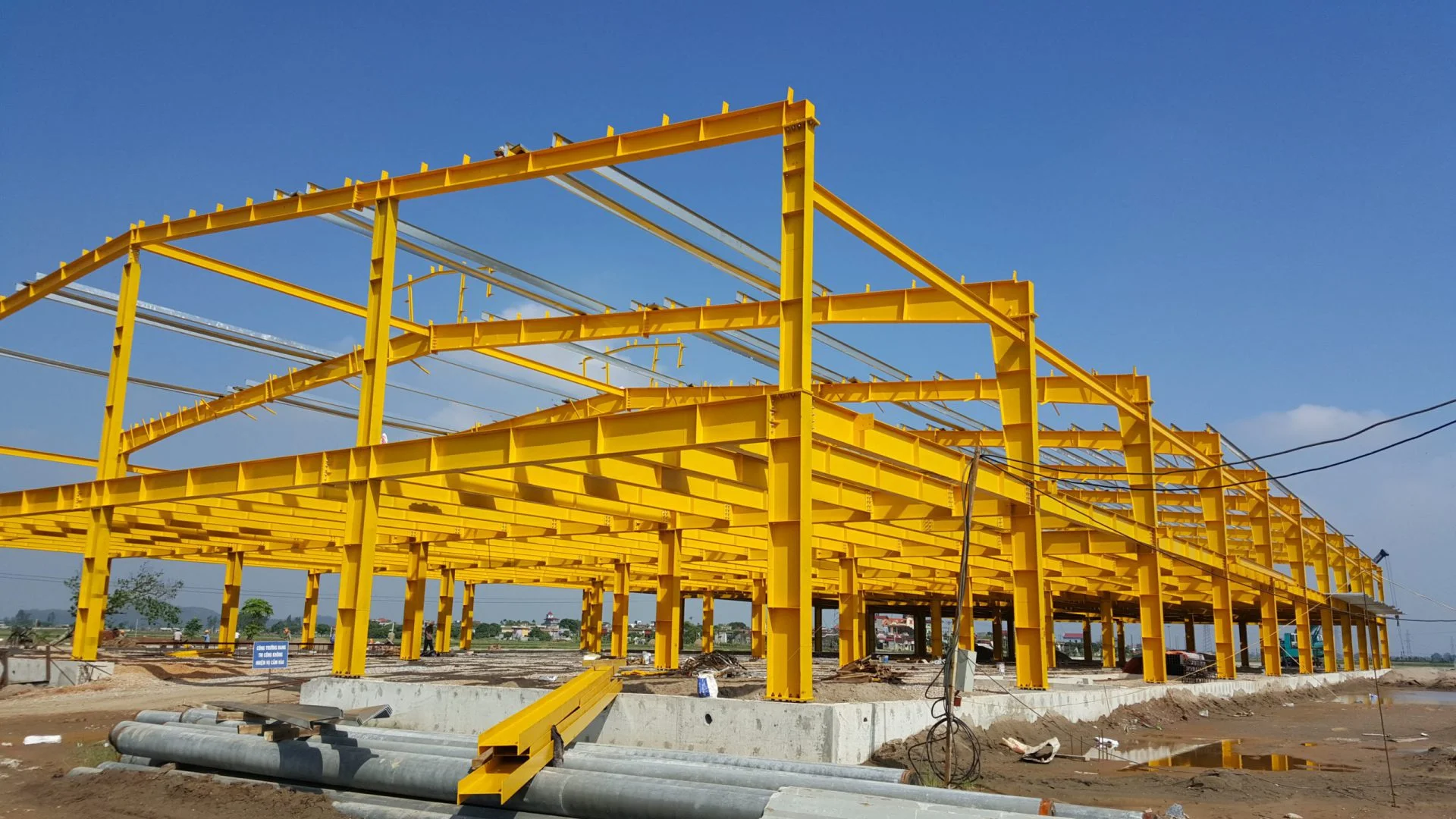


According to data from the Vietnam Association of Mechanical Industry (VAMI) presented at the Vietnam Steel Industry Seminar 2026, the volume of steel structures imported into Vietnam is estimated to increase from over 30,000 tons in 2022 to nearly 250,000 tons in 2026. Foreign products have not only increased in volume but are now present in many large-scale industrial projects.
Foreign steel enters projects of 1,300–20,000 tons
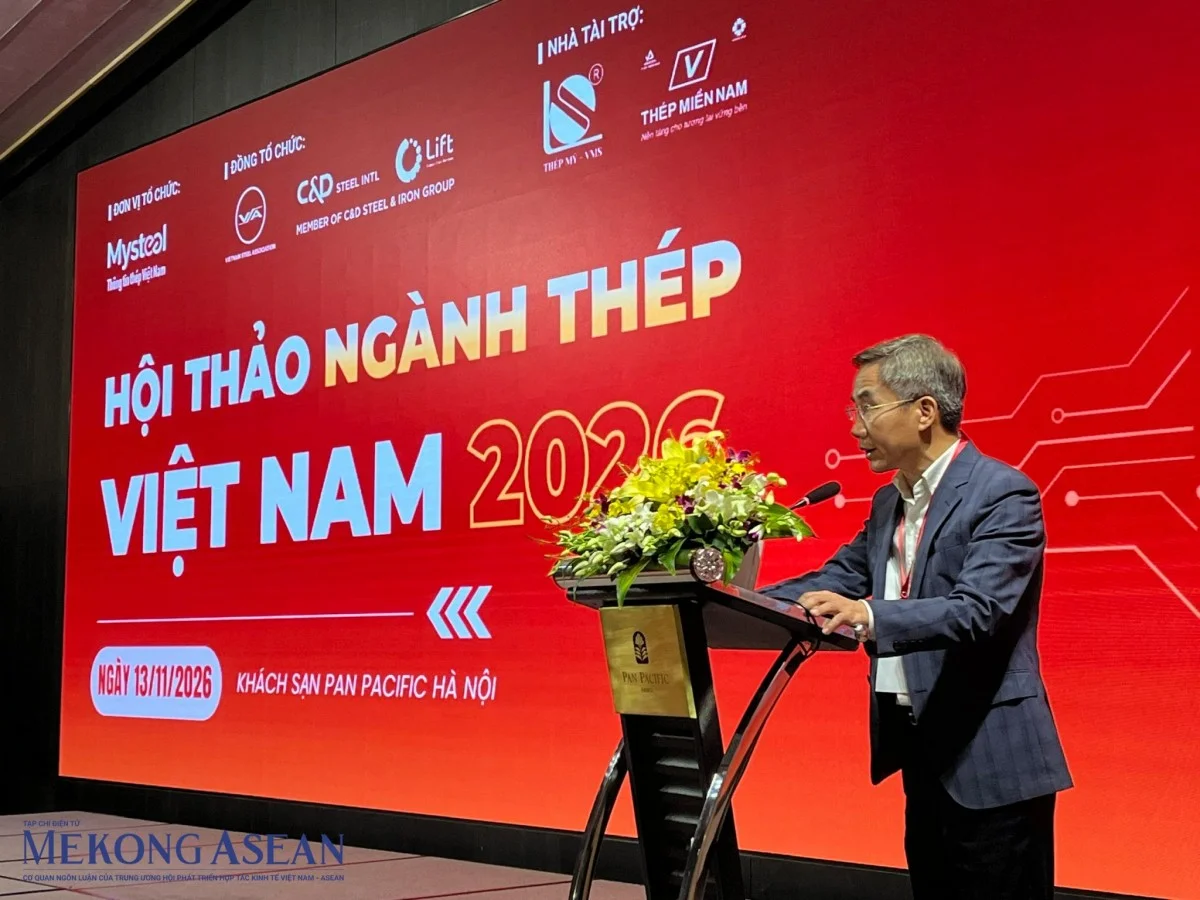
Speaking at the seminar on 13/11, Mr. Le Phung Thang, Vice Chairman of VAMI, said that the volume of imported steel structures in 2026 is estimated to be about 8 times higher than in 2022. This is data aggregated by the association; the 2026 level is an estimate, not official statistics.
A notable point is that imported products are no longer limited to small-scale projects. According to VAMI, foreign steel structures have appeared in many key industrial projects with consumption volumes ranging from 1,300 to 20,000 tons, including projects in Hung Yen and several large-scale FDI projects.
Feedback from nearly 20 VAMI-member steel structure companies shows that many units had negotiated to the final stage before signing contracts but still lost the bid. The main reason is that foreign competitors' quoted unit prices were about 8–12% lower.
Price gap starts from input materials
Experts at the seminar argued that the price advantage of imports, especially from China, stems from raw material prices. On average, in the first 10 months of 2026, the price of hot-rolled coil (HRC) in China was about 6.34% lower than in Vietnam. This gap allows foreign manufacturers to lower the cost of finished steel structures when exporting to Vietnam.
When domestic fabrication companies lose orders, the impact ripples upstream: demand for domestic steel billets, HRC, and construction steel decreases accordingly. Mr. Thang believes that steel industry policy needs to consider the interests of the entire chain, as a steel structure company winning a bid also means expanding domestic steel consumption.
The international context adds further pressure. According to Mysteel's assessment, the Chinese steel market in 2026 is undergoing strong restructuring, cutting old capacity and shifting to green steel, but large short-term inventories are still pushing goods to Southeast Asia, with Vietnam bearing the most pressure. Reports from the Vietnam Steel Association (VSA) and ERM Vietnam also note that the steel industry is suffering from a dual impact of prolonged inflation, energy price volatility, and supply chain disruptions.
Trade remedies must be based on investigation
VAMI recommends that steel structure companies proactively collaborate and collect evidence of damage to propose that management agencies consider appropriate trade remedy measures.
However, Mr. Thang noted that increased import volume or decreased unit price is not enough to conclude that there is dumping behavior. Remedy measures are only applied when an investigation determines dumping behavior, significant damage to the domestic manufacturing industry, and a causal relationship between the two factors. Consideration also needs to weigh the impact on both steel producers and steel-using businesses.
Trade remedies are therefore only a short-term support tool. At the seminar, Hoa Phat Group shared its experience in maintaining competitiveness through a large-scale closed production model, technological autonomy, and proactive control of input costs.
Assessment
For domestic steel structure companies, the 8–12% price gap is difficult to close just by cutting fabrication costs. A more sustainable competitive advantage lies in what imported suppliers struggle to meet: on-site design and adjustment capabilities, delivery schedules according to construction phases, turnkey erection, and warranty responsibility throughout the project's lifecycle.
Nguồn: Việt Nam hàng ngày, đăng lại trên CafeF – “Làn sóng thép giá rẻ Trung Quốc dồn về Đông Nam Á, doanh nghiệp Việt đứng trước sức ép cạnh tranh”, Như Quỳnh, 14/11/2026. Quan điểm về điều kiện áp dụng phòng vệ thương mại: Mekong ASEAN, 14/11/2026.