

Semiconductor plants use steel frames like any other factory, but with much tighter tolerances and more aggressive schedules. The difference lies in requirements for deflection, vibration, and component supply rhythm, not just the tonnage of steel.
Many think the uniqueness of a semiconductor plant lies entirely in the cleanroom and equipment, while the structure is just a “shell.” The reality is the opposite: the structure is the foundation for the cleanroom system, process piping, and equipment to operate as designed. In a context where the processing and manufacturing industry accounted for 82.9% of disbursed FDI in the first 10 months of 2026, and electronics-semiconductor projects continue to pour into Hai Phong and Bac Ninh, understanding these differences helps investors choose the right supplier from the start.
What requirements do semiconductor plants place on steel structures?
Semiconductor plants place four requirements on steel structures that ordinary factories rarely encounter simultaneously: large column-free spans, heavy roof-hung loads, strict deflection and vibration limits, and rapid supply schedules.
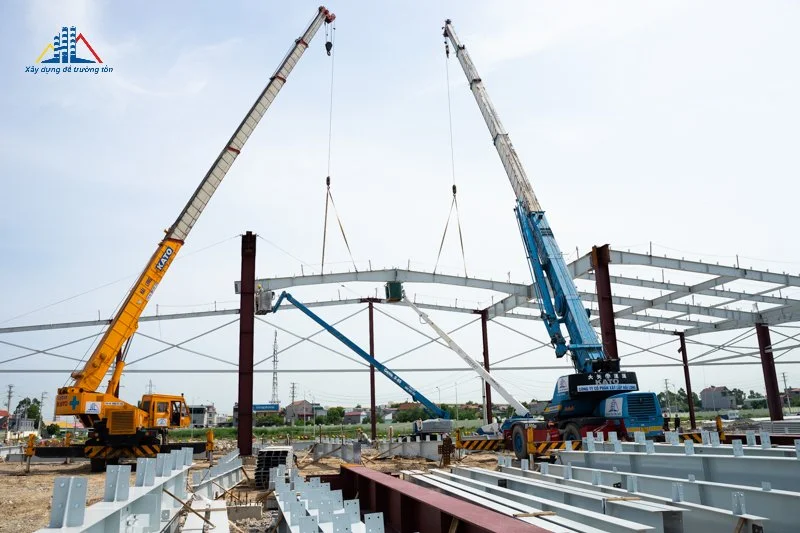
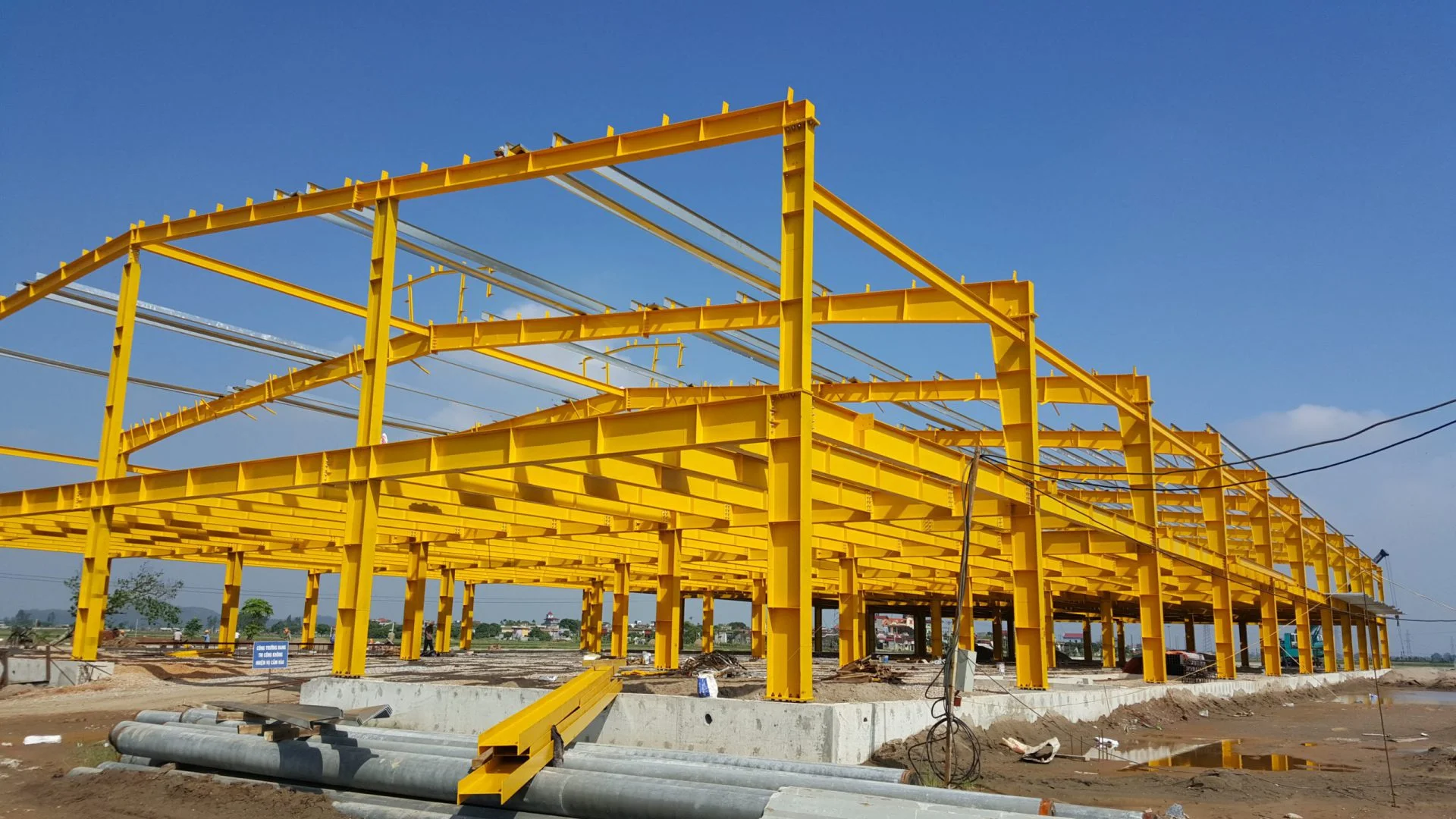
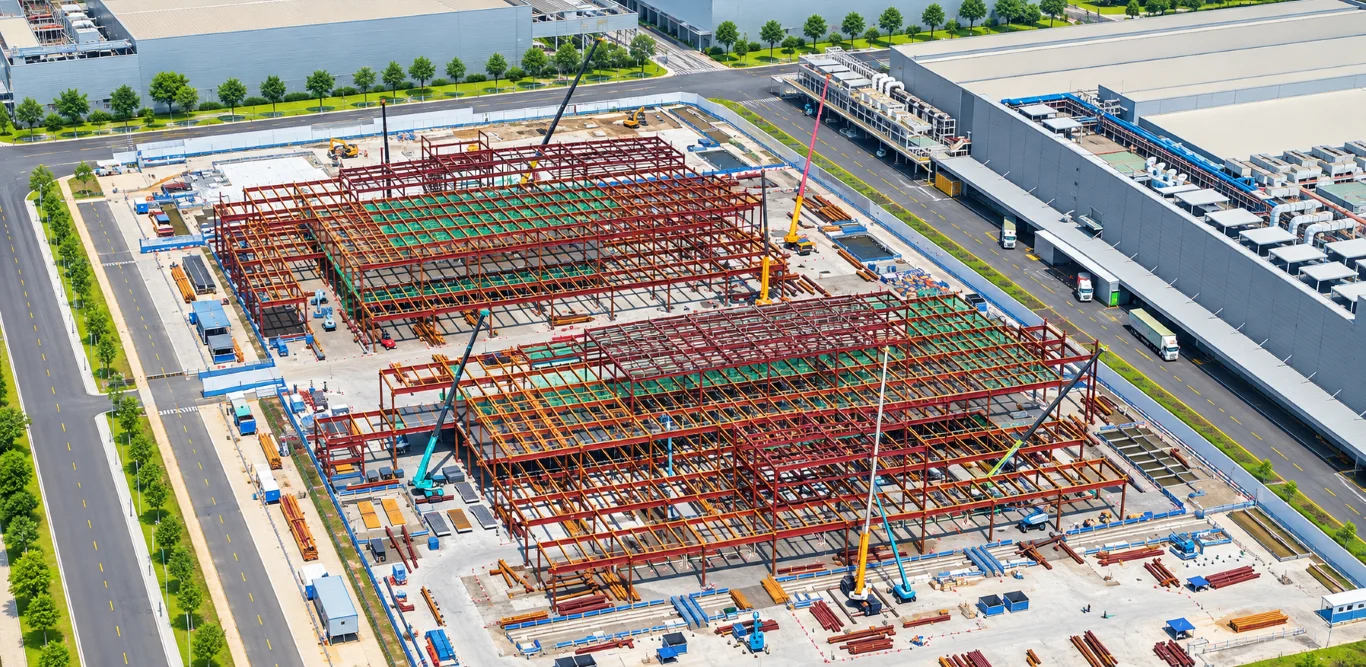
Production areas require open floor space for production lines and cleanrooms, so the roof system is usually a truss or large-span steel beam. This roof system supports heavy loads: air ducts, process gas and chemical piping, cable trays, and cleanroom ceiling frames. Unlike a warehouse that only needs a roof, here the steel structure supports the roof and acts as the “backbone” for the entire M&E system.
Why are deflection, vibration, and tolerances important?
Deflection, vibration, and tolerances are critical because cleanroom systems and semiconductor equipment are installed with very small margins; when the structure deforms or shifts, the entire system above and below must be adjusted.
A roof beam that deflects more than expected can cause the cleanroom ceiling frame to lose flatness and misalign piping. Vibrations from wind, auxiliary equipment, or maintenance activities on the roof, if transmitted to the production area, can affect sensitive equipment. Therefore, structural stiffness criteria are usually tighter than for ordinary factories, and suppliers must fabricate to the millimeter so that the steel frame achieves the exact design geometry upon installation.
One consequence often overlooked is connections. To limit welding and grinding on-site—tasks that generate heat and dust, which are highly undesirable when cleanroom components are being installed simultaneously—these projects prioritize bolted connections. In this case, the precision of bolt holes and gusset plates fabricated at the factory determines whether installation is smooth or requires on-site modification.
| Criteria | Ordinary factory | Semiconductor, electronics plant |
|---|---|---|
| Roof loads | Mainly roof, wind, possibly cranes | Additional heavy hanging loads from air ducts, process piping, cleanroom ceiling frames |
| Deflection, stiffness | According to general standard limits | Usually tighter according to investor's specific requirements |
| Vibration | Rarely a design criterion | Controlled to protect sensitive equipment |
| Connections | Welded or bolted depending on conditions | Prioritize bolting, minimize welding and grinding on-site |
| Supply schedule | Delivery in large batches | Rolling delivery by zone, synchronized with the M&E contractor's schedule |
Experience from Samsung, Amkor, and LG Innotek projects
The above requirements are no longer just theoretical for Hai Long Construction. In recent years, Hai Long has supplied steel structures for a series of high-requirement electronics and semiconductor projects:
- 14,500 tons for the LG Innotek project in Hai Phong
- 9,300 tons for the factory building category of the LG Display H3 plant
- 4,000 tons for the Amkor Technology plant in Bac Ninh
- Most recently, 4,000 tons for Samsung's first semiconductor chip testing plant in Vietnam, starting from July 2026. In November 2026, Hai Long received a certificate of appreciation from Samsung C&T for this work.
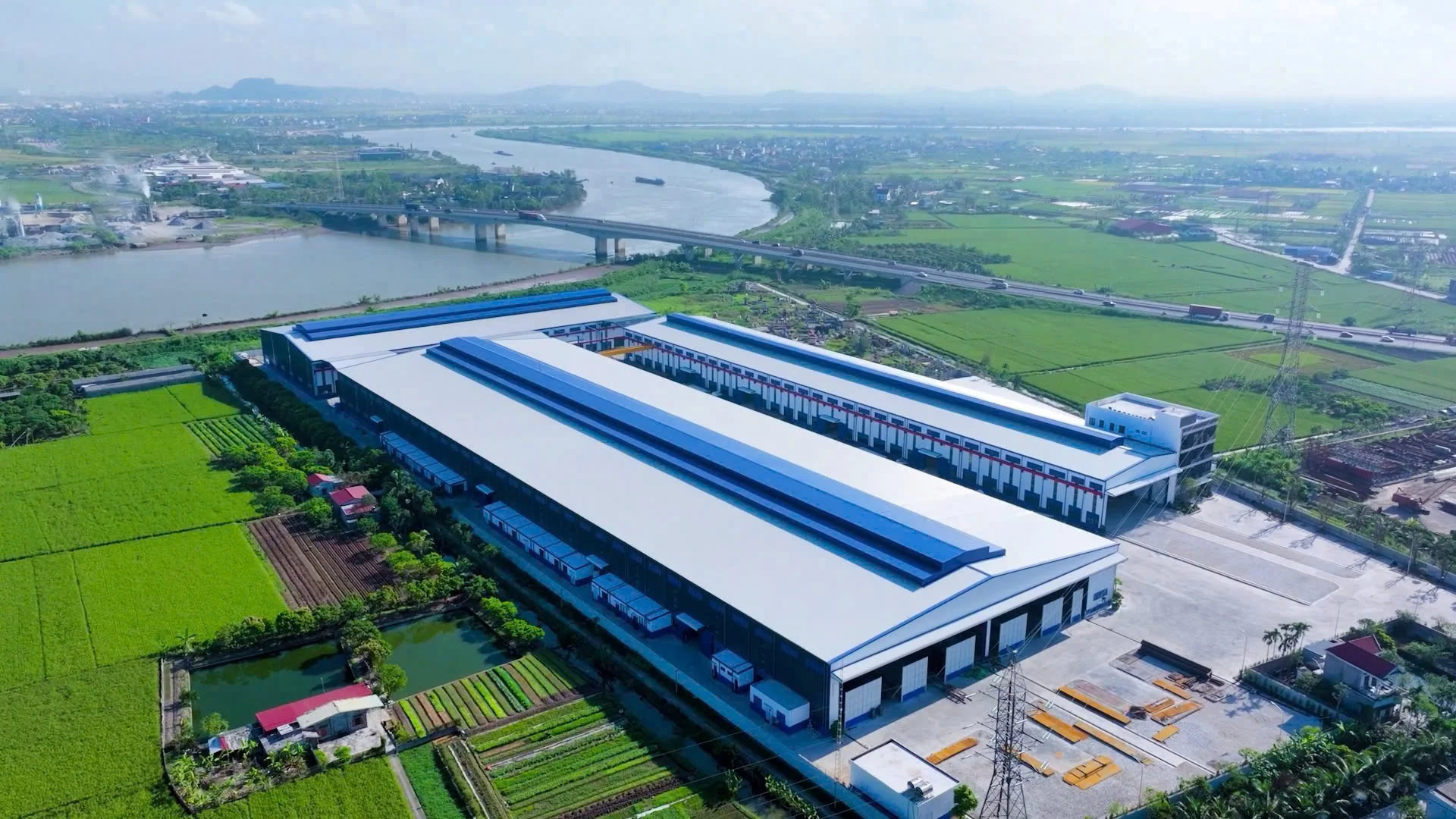
The foundation for these projects is the Hai Long Steel Structure Factory in Quyet Thang commune, Hai Phong: a capacity of 35,000 tons/year, a Smart-Line with 1,300 tons/month and an Auto-Line with 1,000 tons/month, welding robots, automatic shot blasting and paint drying, operating under ISO 9001, ISO 14001, and ISO 45001.
The quality documentation that foreign general contractors check during pre-qualification is detailed in the article What certificates do steel structure suppliers for FDI projects need?
Frequently Asked Questions
What requirements must semiconductor plant steel structures meet?
Semiconductor plant steel structures must meet four main requirements: large span capability for column-free production floors; high hanging load capacity for air ducts, process piping, and cleanroom ceiling frames; stricter deflection and vibration limits than standard factory buildings; and fabrication with tight tolerances for bolted assembly, minimizing on-site welding and grinding. Supply schedules are typically rolling by zone.
Which semiconductor and electronics plants has Hai Long supplied steel structures to?
Hai Long Construction has supplied 4,000 tons of steel structure for Samsung's first semiconductor chip testing plant in Vietnam (2026), 4,000 tons for the Amkor Technology plant in Bac Ninh, 14,500 tons for the LG Innotek project in Hai Phong, and 9,300 tons for the factory building category of the LG Display H3 plant. In November 2026, Hai Long received a certificate of appreciation from Samsung C&T for its work on the Samsung project.
Why is the steel supply schedule important for electronics plants?
Electronics and semiconductor plants are typically constructed using a fast-track schedule: structural, M&E, and cleanroom works overlap by zone, tied to the corporation's operational milestones. If steel structures are delivered late or out of sequence, downstream contractors must halt. Therefore, investors prioritize suppliers with large capacity and the ability to manage production sequences according to the installation order, such as Hai Long's 35,000-ton/year factory in Hai Phong.
Submit high-tech project dossiers
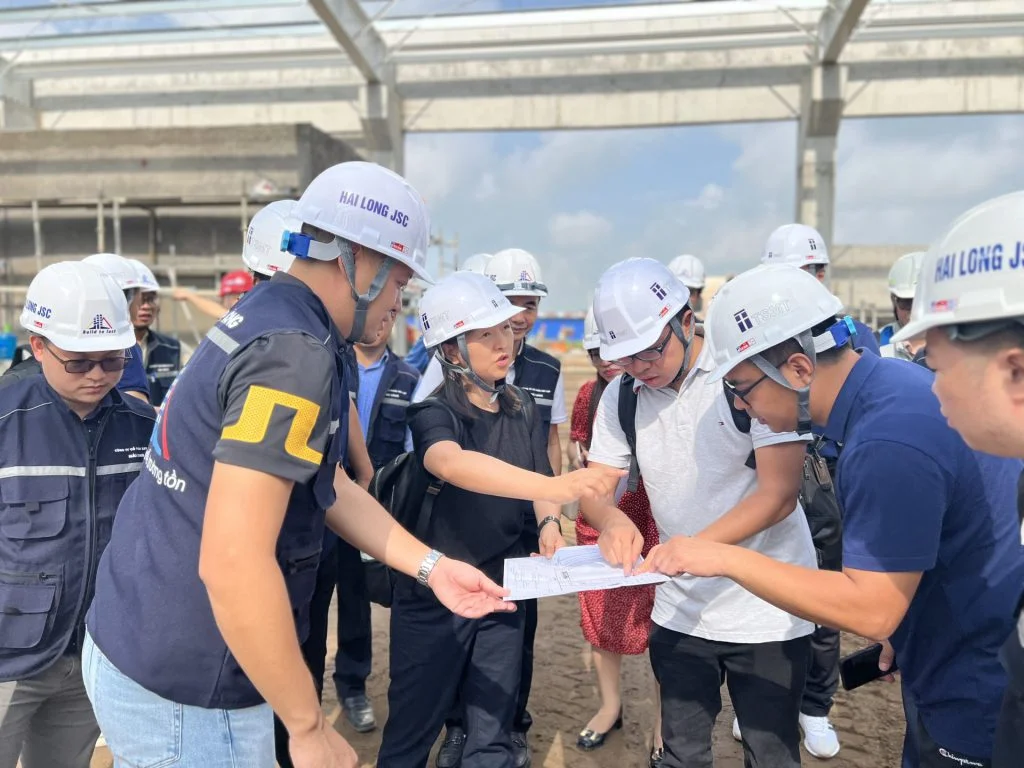
- Investors and general contractors with electronics and semiconductor projects can submit tender documents or drawings for Hai Long's engineering team to advise on production and zonal supply plans.
- Hotline: (+84) 846 625 888 ·
- Email: info@hailongjsc.vn